
Twenty-five years ago, moviegoers got their first glimpse of Middle-earth — and savvy travelers discovered that it looked remarkably like New Zealand.
The Lord of the Rings: The Fellowship of the Ring premiered in 2001, the first chapter of Peter Jackson’s epic trilogy based on J.R.R. Tolkien’s novels. All three movies were filmed back-to-back in Jackson’s native New Zealand, with more than 150 locations eventually used across the North and South Islands.
It wasn’t just hometown patriotism. Jackson had an extraordinary range of landscapes practically on his doorstep waiting to be filmed: pastoral farmland, primeval-looking forests, volcanic terrain, wild rivers and some of the Southern Hemisphere’s most dramatic mountains. It meant multiple realms of Tolkien’s imaginary world could be created within one country - often with surprisingly little digital enhancement - with accuracy that awed even the most critical of ardent fans.
A quarter of a century and a new generation of Lord of the Rings Fans later… these film locations are still a magnet for ‘set-jetters’ today, who are thrilled to track down and escape into their fandom fantasies in the footsteps of the actors.
The Fellowship of the Ring has actually become one of travel’s great examples of “set-jetting,” and fans have a checklist of locations:
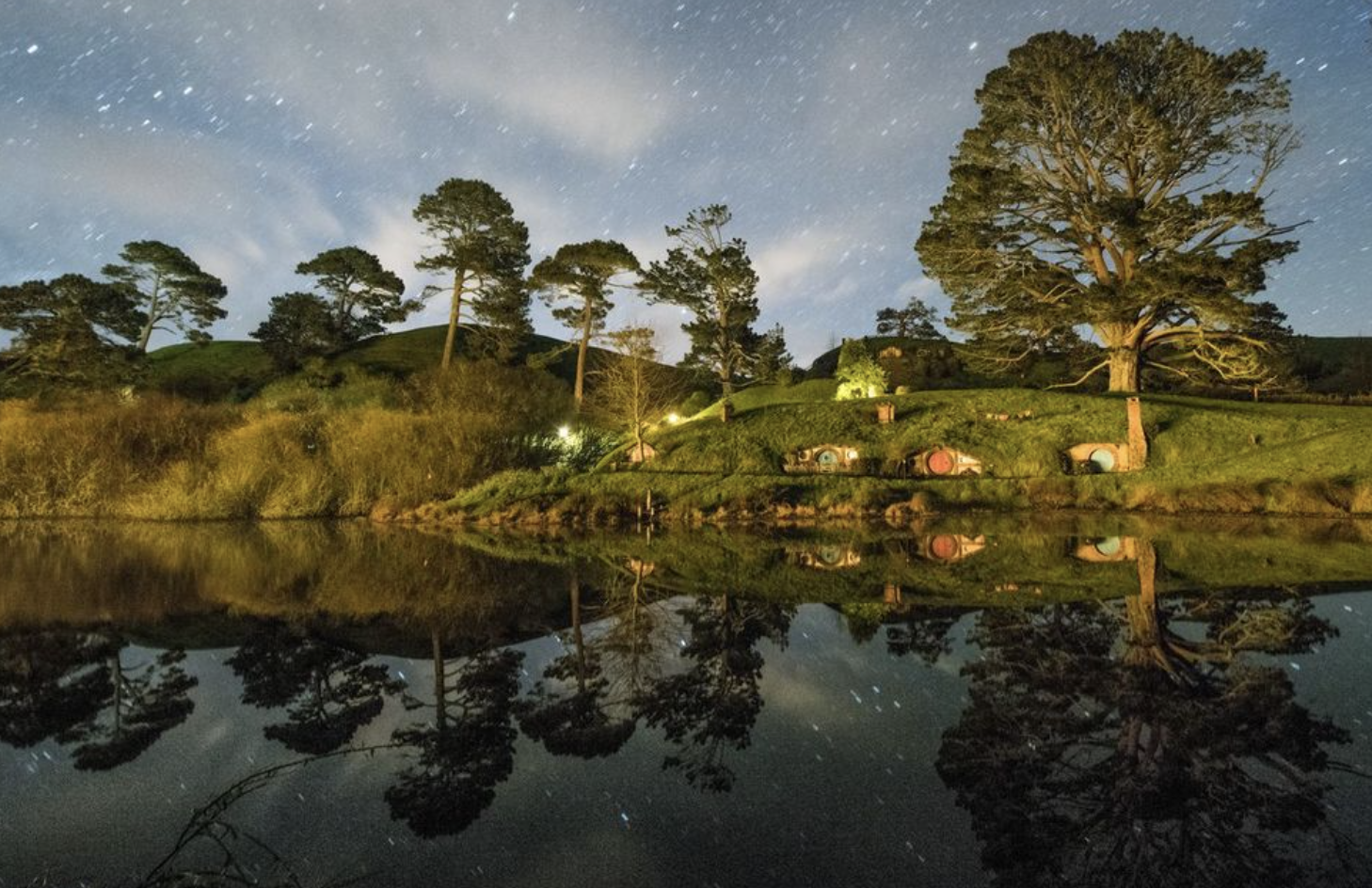
New Zealand has embraced its new identity as the “Home of Middle-earth,” developing new location tours and visitor experiences to celebrate the now-classic film milestone.
For Tolkien fans, that means the 25th anniversary comes with an irresistible proposition: rewatch the movie — then go see how much of Middle-earth was real all along.
New ways to road trip through Middle-earth: Independent travelers can explore the region at their own pace with Tourism New Zealand's Middle-earth Itineraries.
Designed for varying trip lengths and fandom levels, the itineraries include Halfling's Ramble, a North Island route featuring Hobbiton, Tongariro and Wellington; Elven Magic, which blends cinematic landscapes with cultural and scenic highlights; and Wizard's Journey, the ultimate full-country pilgrimage for dedicated fans.
A year of Middle-earth events: Countrywide celebrations will extend well beyond the film locations, with anniversary-themed activations and fan events taking place throughout the year. Festivities begin on International Hobbit Day (September 22, 2026), when fans celebrate the birthdays of Bilbo and Frodo Baggins with special tours, themed dining and festivities at Hobbiton.
Visitors can also attend Candlelight: The Lord of the Rings concerts in Auckland, raise a pint at the annual Hobbiton Beer Festival in November, join the official 25th anniversary celebration on December 19, 2026, or take on the Middle-earth Halfling Marathon on March 20, 2027.
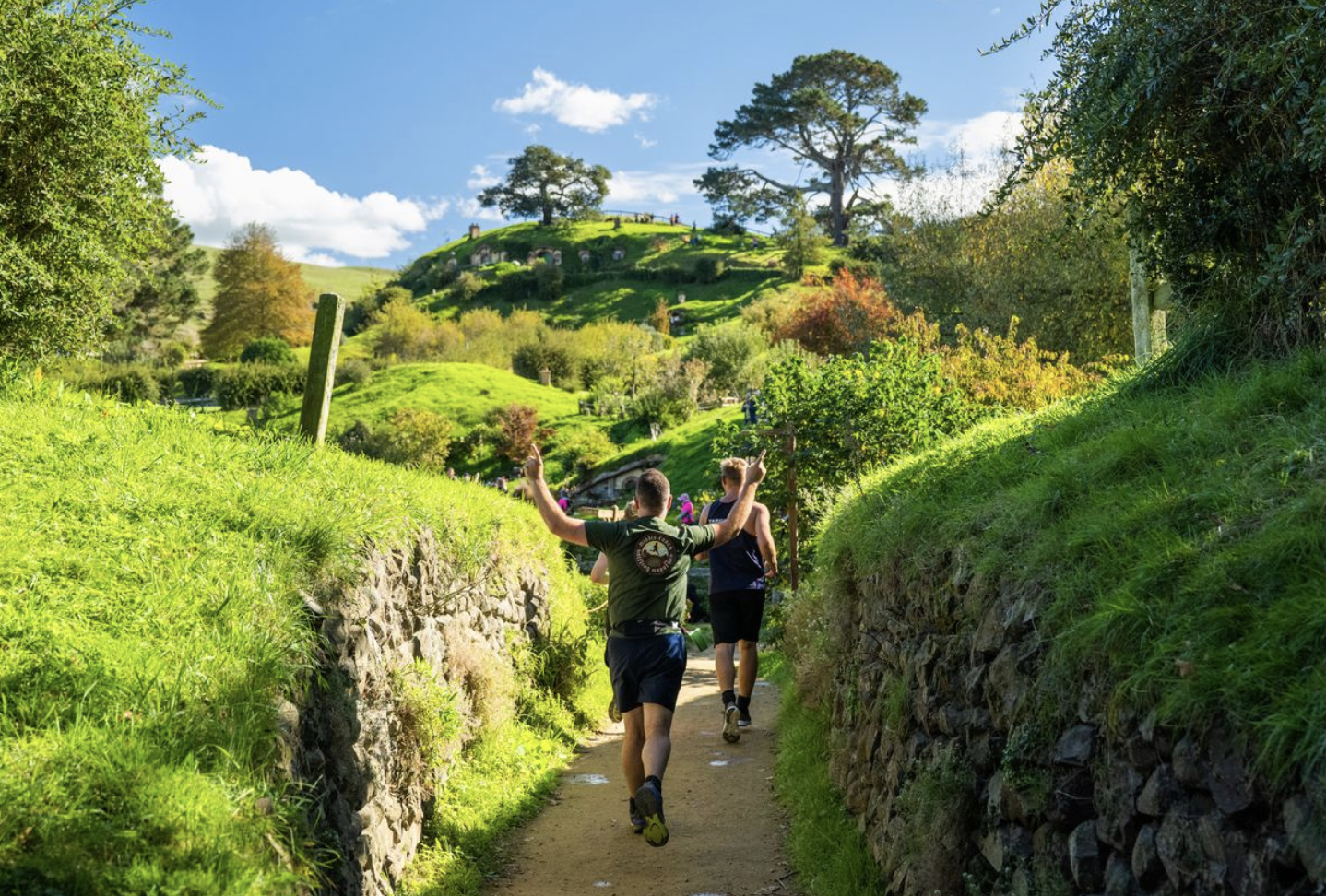
This 25th anniversary year of The Lord of the Rings: The Fellowship of the Ring sets the scene for a new film slated for release in 2027, which brings new reasons for fans to make the journey to the real-life landscapes behind the films.
Of course, there’s an actual New Zealand beyond the appeal of the film version of Middle-earth, and these journeys are a springboard to a real-life New Zealand experience – from hiking, beaches, and wildlife to Māori culture, food and wine, and the country’s cities.
START YOUR TRIP!
Images courtesy of Tourism New Zealand
All rights reserved. You are welcome to share this material from this page, but it may not be copied, re-published, broadcast, rewritten or redistributed.
by Erika Docor on 08/27/2026
What cruises give you the warmest welcome in Europe’s coolest months? River and coastal ocean cruising doesn’t completely stop when the Christmas holidays start. In fact, Europe’s “quiet season” is becoming a season of its own for cruisers.
It’s true that most Christmas markets pack up around Christmas Eve, although some extend through the holidays. But then come New Year’s celebrations, winter sales, Carnival, distinctive seasonal foods and traditions — and, along parts of the Mediterranean, the first blossoms of the year.
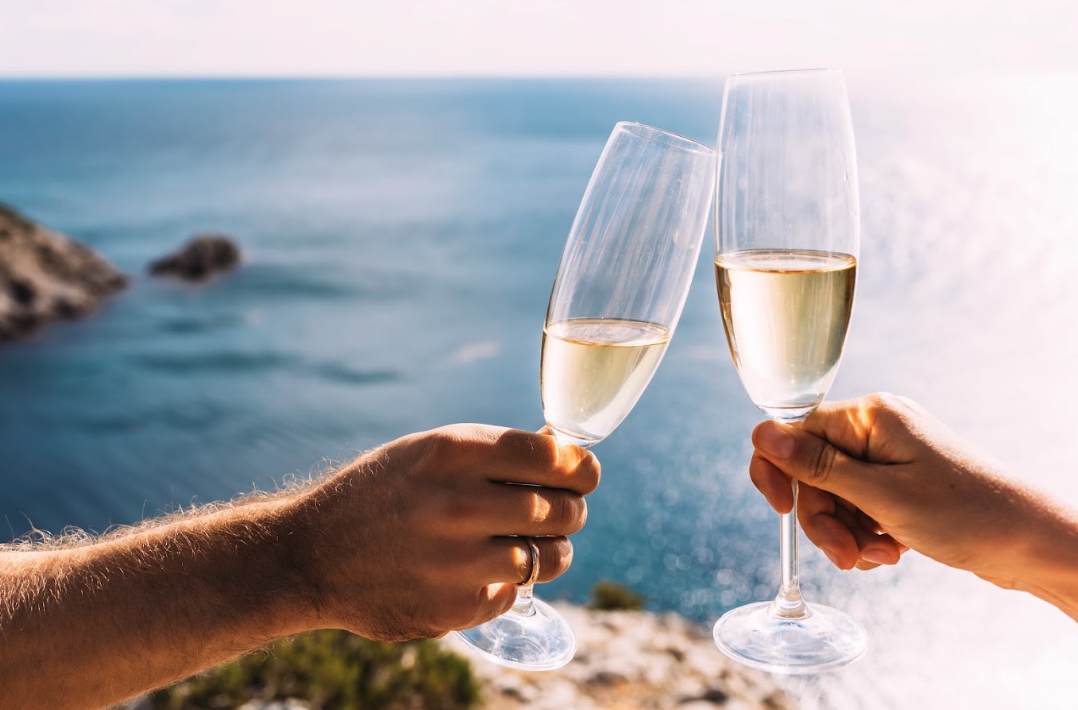
More cruise lines are extending their European seasons, sailing Mediterranean coastlines and rivers including the Rhine and Danube after the Christmas-market crowds have gone home.
The Mediterranean’s mild temperatures and sunshine make it a delightful winter cruise destination.
On France’s Côte d’Azur, mimosas’ brilliant yellow blossoms (pictured, top) bloom January into March along the Route du Mimosa through southern France. Mandelieu-La Napoule celebrates an annual February Fête du Mimosa, complete with flower-covered floats and parades.
It’s also citrus fruit season across the Riviera – and nearby Menton celebrates its colorful and tasty winter crop with its Lemon Festival.
Then comes Carnival, the last hurrah of decadence before the 40 days of Lent prior to Easter begin.
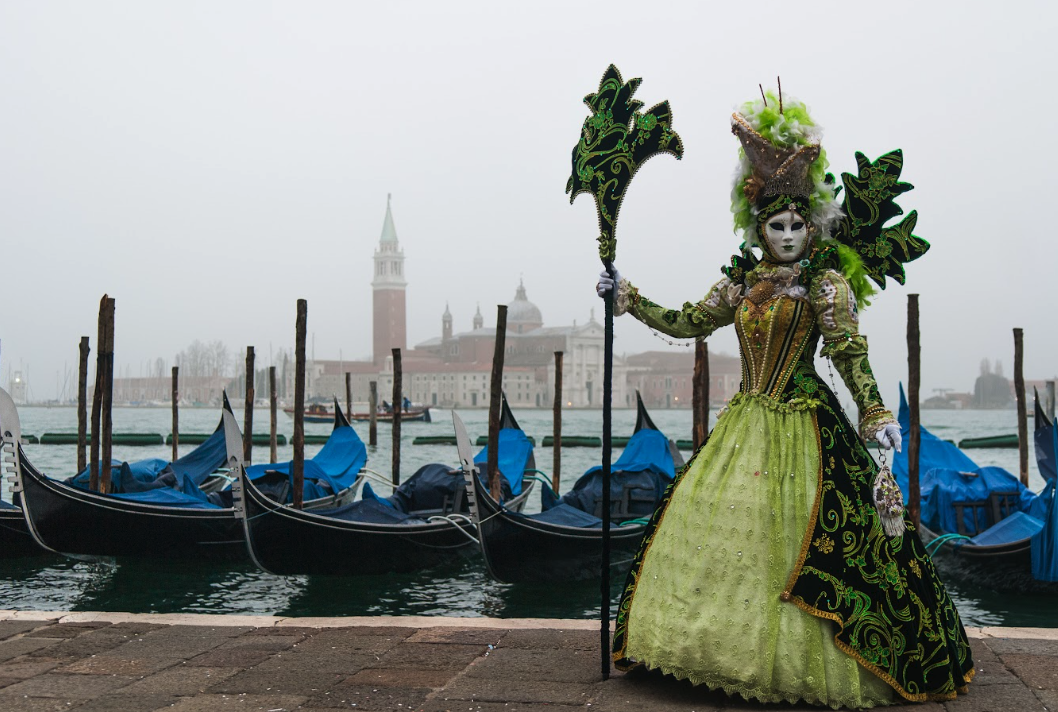
Venice’s famous Carnevale transforms the lagoon city with elaborate masks, costumes, performances and festivities. Nice stages one of the world’s great Carnivals, including enormous floats, nighttime parades and its famous flower battles.
Beyond Nature’s winter bounty, exploring archaeological sites in Italy and Greece, and cities such as Barcelona and Rome is much different without peak-season crowds and heat.
Europe’s great rivers offer a different winter experience, too.
New Year’s Eve is the standout. Even if your river cruise doesn’t coincide with the festivities, a pre- or post-cruise extension can have you in Vienna on December 31. Austria’s capital may be the ultimate Danube destination for New Year’s Eve, when its historic center becomes a street celebration of music, food and dancing. At midnight, St. Stephen’s Cathedral rings in the New Year, The Blue Danube begins to play — and revelers waltz in the streets. There are NYE balls and concerts for classical music lovers – not to mention the Vienna Philharmonic’s world-renowned New Year’s Concert on January 1.
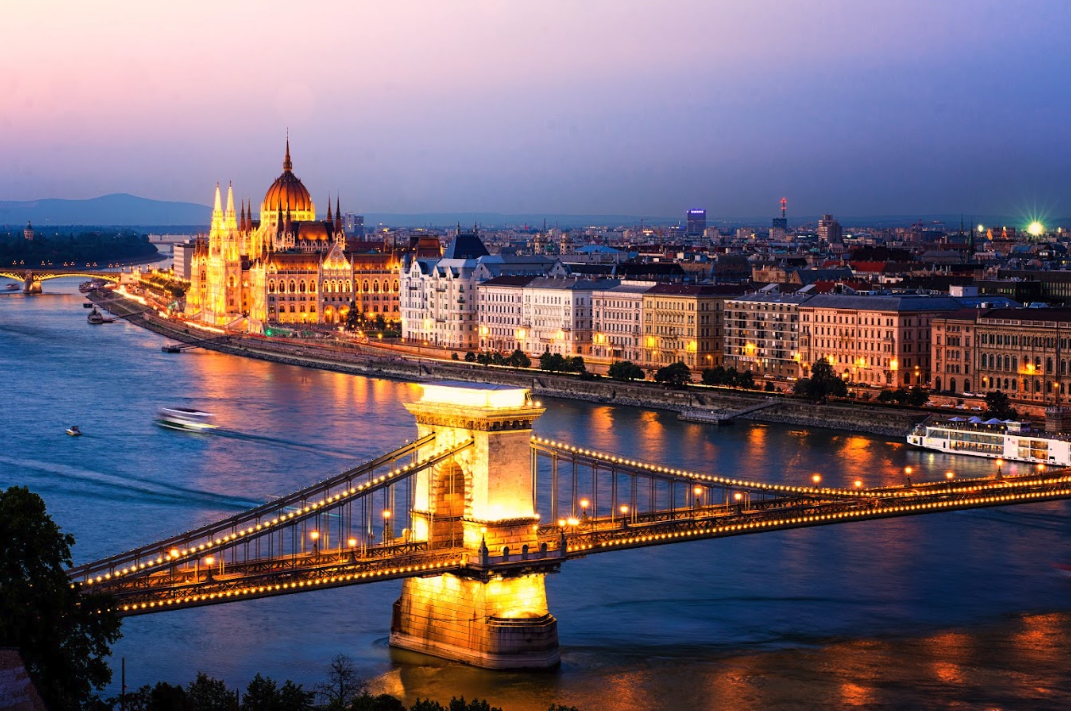
Further southeast on the Danube, Budapest is another spectacular NYE setting (above), while Rhine itineraries put cruisers in the heart of festivities in cities including Cologne, Strasbourg and Basel.
After New Year’s, the emphasis shifts to cozy winter lifestyles: coffee and cake in historic cafés and warming regional specialties — Käsespätzle, Central Europe’s delicious mac and cheese: soft egg noodles layered with melted cheese and crispy onions; and the renowned Hungarian goulash, a comforting beef-and-paprika soup; Rhineland sauerbraten, slow-cooked marinated beef with rich gravy and red cabbage; Strasbourg’s Alsatianchoucroute, a French version of sauerkraut heaped with sausages and smoked pork (pictured below, image: Lynn Elmhirst)
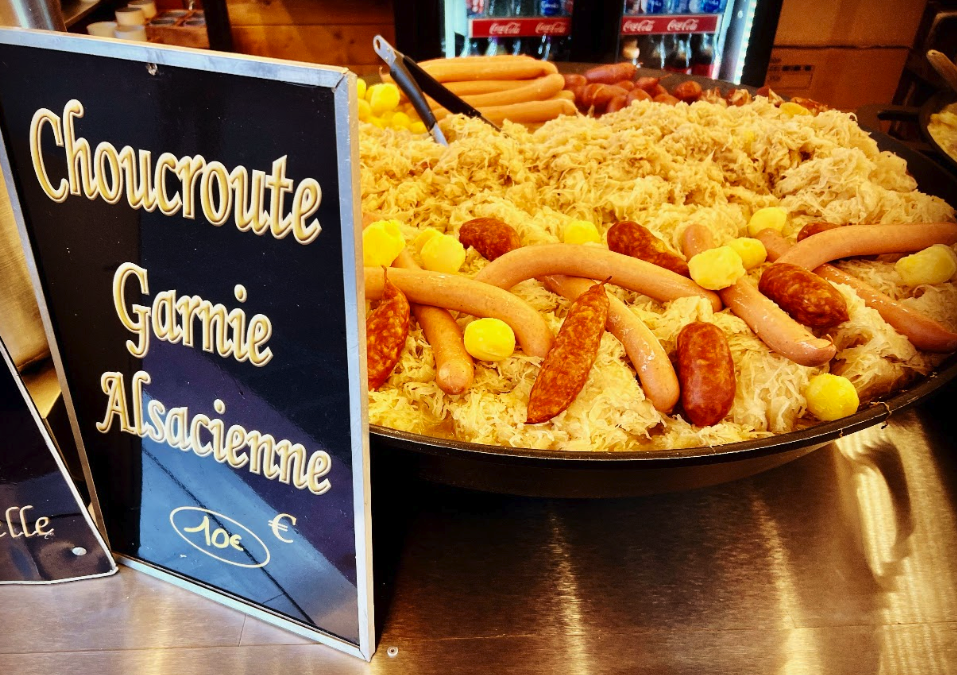
Image: Lynn Elmhirst; in Strasbourg aboard a Rhine River cruise.
The rivers themselves look different, too. Bare vines reveal the contours of steep vineyard terraces, castles stand out against the hillsides and, with luck, snow transforms riverside towns altogether.
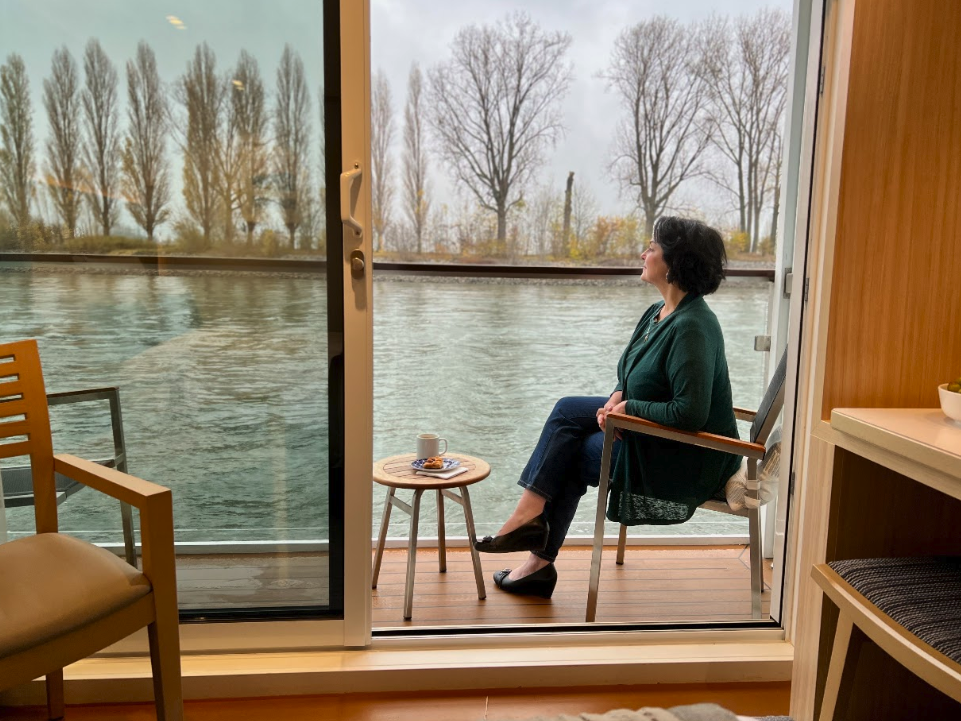
Christmas markets may have put winter river cruising on the map. But increasingly, they’re only the beginning of Europe’s cruising season.
START YOUR TRIP!
By: Lynn Elmhirst, cruise/ travel journalist and expert
Images: Getty unless otherwise indicated
All rights reserved. You are welcome to share this material from this page, but it may not be copied, re-published, broadcast, rewritten or redistributed.
by Erika Docor on 08/27/2026
For generations, travelers have organized their days around daylight. Get up. See the sights. Take the photos. Then, as the sun sets, the day starts wrapping up.
One of travel’s fastest-growing trends turns that itinerary upside down. And the lights off.
“Noctourism” – or nocturnal tourism – is the growing appetite for travel experiences after dark.
Noctourism can intersect with astrotourism, but they’re not exactly the same thing.
‘Astrotourism’ is about traveling for celestial experiences. And a recent survey of tens of thousands of travelers found that nearly two-thirds were considering trips to darker-sky destinations for ‘starbathing,’ constellation tracking and rare celestial events.
At night, right?
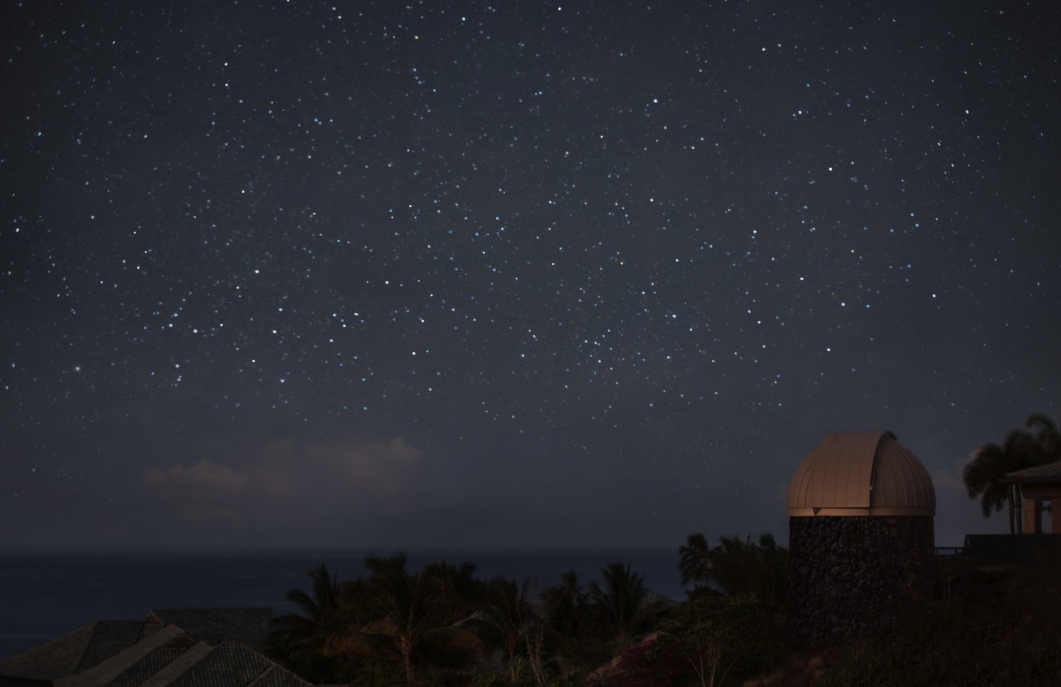
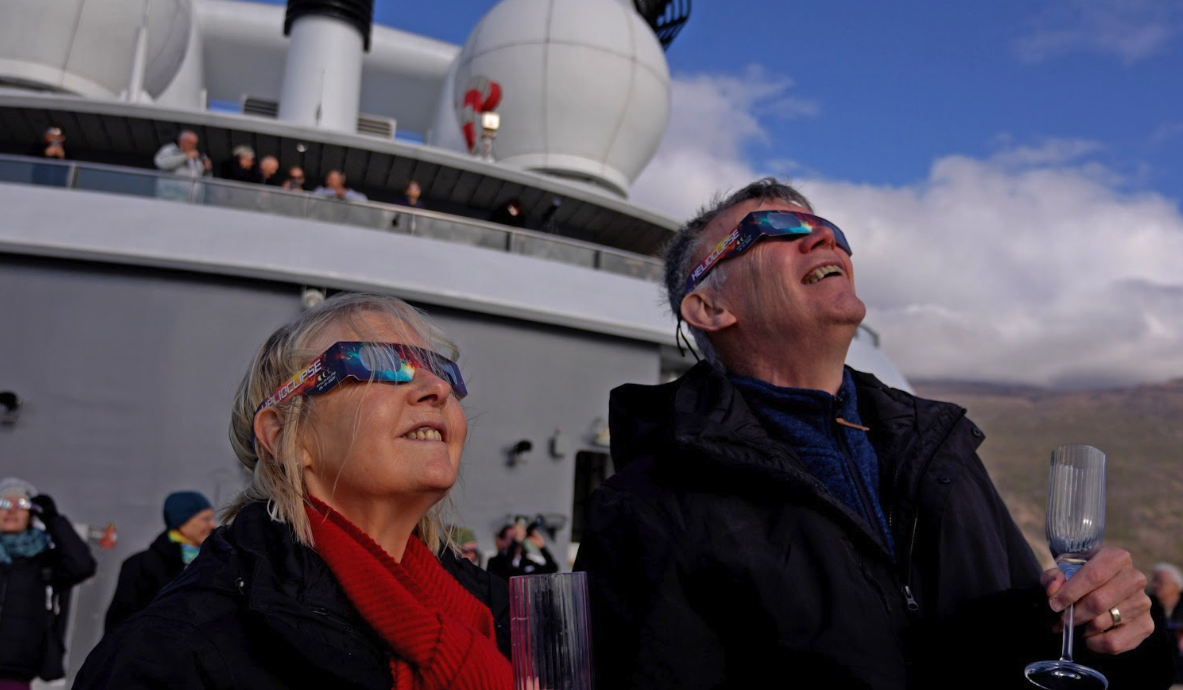
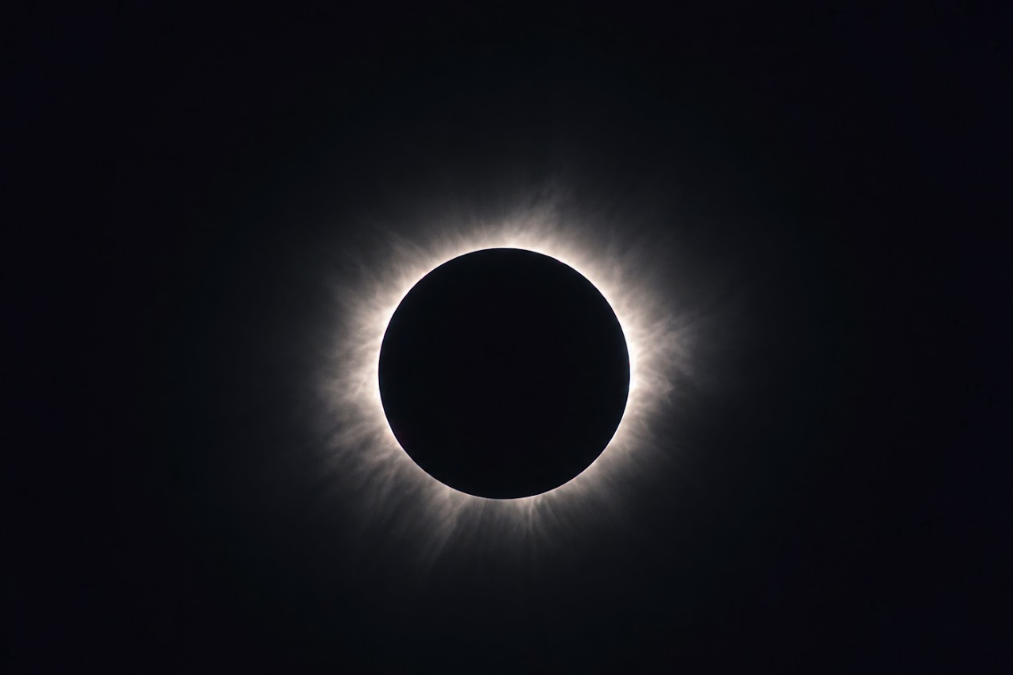
Actually, one of the most recent examples of astrotourism was in the daytime: the August 2026 total solar eclipse, the ‘eclipse of the century,’ lasting over 6 minutes in some places, took place in the middle of a day that was plunged into darkness. Entire countries went on pause to witness the longest total eclipse that almost anyone alive will ever see. Countless travelers planned trips around the eclipse and cruise lines sent dozens of sold-out ships on itineraries specifically designed to put the vessels and their fascinated guests in its path.
The extraordinary response to the solar eclipse reminds us how travel is increasingly about collecting experiences, not simply places.
More and more, the spotlight, if you’ll excuse the pun, is shining on the nighttime. Enter noctourism, which includes
No wonder noctourism is one of the fastest-growing travel trends!
Part of noctourism’s appeal is practical.
As summer temperatures climb in many popular destinations, travelers can shift sightseeing into cooler evening hours. That survey found more than half of travelers planned activities for evenings and early mornings, not just for nighttime attractions, partly to avoid daytime heat and sun.
Sometimes it’s quieter, too, after the daytime crowds have gone to bed.
But the best noctourism isn’t simply daytime sightseeing rescheduled.
Some travel experiences only happen in the dark.
A new focus on noctourism is making the whole world of travel just a little brighter.
START YOUR TRIP!
By: Lynn Elmhirst, travel journalist and expert
Image Credits:
All rights reserved. You are welcome to share this material from this page, but it may not be copied, re-published, broadcast, rewritten or redistributed.
by Erika Docor on 08/27/2026
In July 2027, the Tour de France will make cycling history in the UK. Three men’s stages and three women’s stages will put Britain on the cycling world stage. In fact, it will be a historic double-header: for the first time, both the Tour de France and Tour de France Femmes will hold their Grand Départs - in the same country - outside France.
The 114th edition of the world’s most famous bicycle race will begin with a 630-kilometer road trip through Britain. The men take the peloton from Edinburgh through Scotland, England and Wales’ most compelling landscapes. Then, four weeks later, the women arrive and tour England.
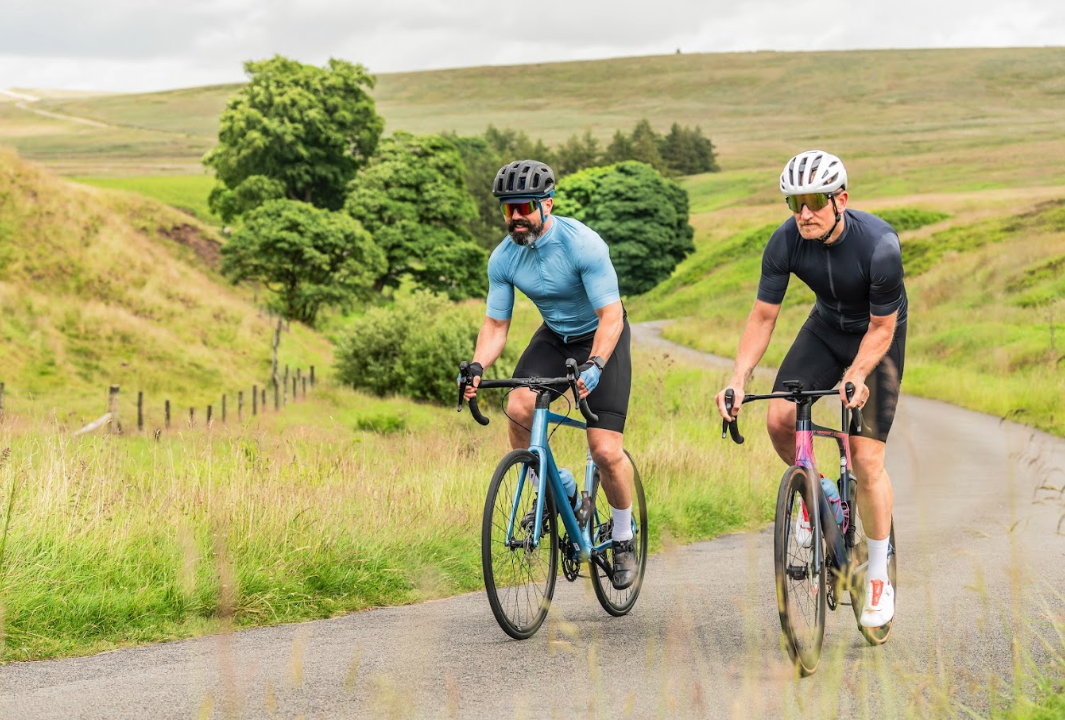
It all gives cycling, outdoors and sporty travelers a great reason to plan a British vacation: to be part of the crowds cheering racers on along the route; or to channel (excuse the pun) your own inner Tour de France racer and plan a cycling trip through any of the race’s scenic vistas.
Stage One: Scotland
Edinburgh to Carlisle — July 2, 2027
The men roll out from their Grand Départ from Edinburgh on Friday, July 2, with the 184-kilometer opening stage beginning in one of Europe’s great historic capitals.
The teams will be formally presented at Edinburgh Castle on June 30, providing a dramatic opportunity to see the riders against this evocative and historic backdrop before racing begins.
Then the peloton heads south through Midlothian and the Scottish Borders, past the Eildon Hills and over the Côte de Melrose before crossing into England and finishing just outside medieval Carlisle Castle appropriately.
Stage Two: England
Keswick to Liverpool — July 3
Stage Two may be the one that has travel photographers queueing for the best view.
Starting in Keswick, riders will race through the UNESCO-listed Lake District alongside Thirlmere, Grasmere, Rydal Water and Windermere. Then come Morecambe Bay, Lancaster and the Lancashire hills before the race charges into Liverpool, finishing on The Strand in front of the city’s famous Three Graces.
It amounts to an extraordinary moving postcard of northern England.
Stage Three: Wales
Welshpool to Cardiff — July 4
On July 4, the Tour makes its first-ever visit to Wales. The 223-kilometer stage from Welshpool to Cardiff is also the toughest of the British opening stages, with eight categorized climbs, six packed into the final 80 kilometers.
The Côte de Rhigos and Côte de Caerffili could help determine who wins in Cardiff — and who carries the yellow jersey back across the Channel.
Don't put away the yellow bunting. Nearly four weeks later, the Tour de France Femmes makes its British debut with another three stages in England.
Stage One: Leeds to Manchester — July 30
The women begin in Leeds, where enormous crowds famously welcomed the men's Tour in 2014. From Yorkshire, the route crosses the Pennines before finishing in Manchester, giving northern England another day in the international cycling spotlight.
Stage Two: Manchester to Sheffield — July 31
The following day brings a considerably tougher proposition. The Manchester-to-Sheffield stage packs in nearly 3,000 meters of climbing, turning the Pennines and Peak District into both spectacular scenery and a serious sporting test.
Stage Three: London — August 1
For the British finale, the Tour heads to the capital — and makes a little cycling history in the process.
London hosts the inaugural team time trial in the history of the Tour de France Femmes: an approximately 18-kilometer race through central London, finishing on The Mall. Instead of a fleeting glimpse of the peloton, spectators will see teams racing separately against the clock through one of the world's most recognizable cityscapes.
In 2027, you can still go to France for the Tour de France. After finishing the initial British stages, the race transfers back across the Channel to familiar roads in France for the remainder of the 114-stage grand tour.
But for both Grand Départs, set your sights on Britain.
Find more information here at the Official Grand Départ Great Britain 2027 routes and visitor information
START YOUR SPORTING TRIP!
Images courtesy of Visit Britain
Top image credit: South of Scotland Destination Alliance/Clacks Active/ Andy McClandlish
All rights reserved. You are welcome to share this material from this page, but it may not be copied, re-published, broadcast, rewritten or redistributed.
by Erika Docor on 08/13/2026
I adore river cruising. I constantly recommend river cruises to viewers and followers.
But river cruising is facing an industry-changing crisis. And I think it’s time to face it head-on with new solutions that will benefit everyone.
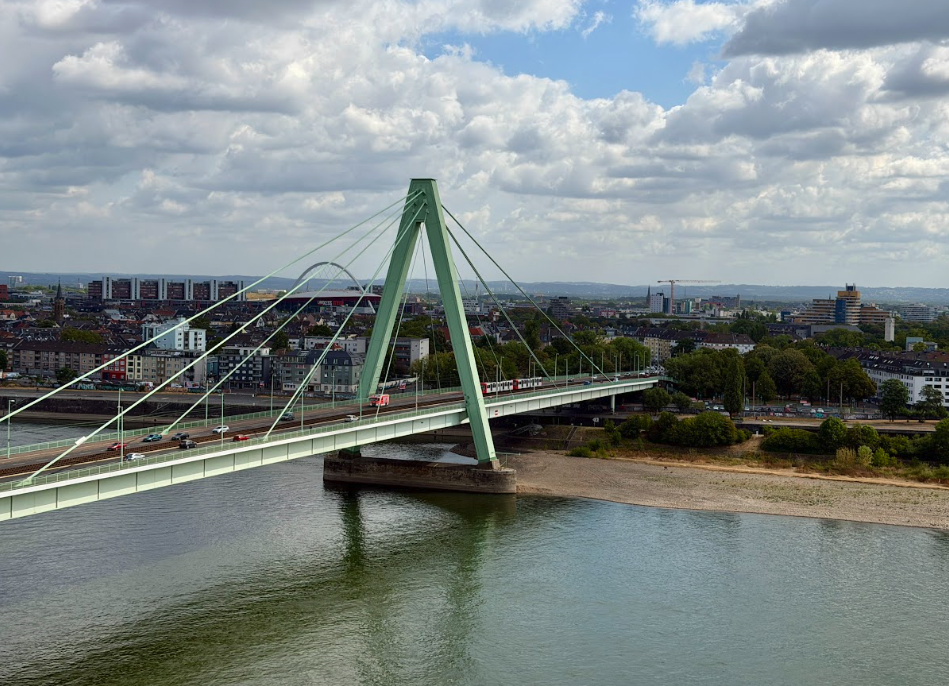
Low water levels on Europe’s major rivers – including the Rhine and the Danube – are making headlines around the world.
I was at (not on!) the Rhine last week (early August, 2026), and I was shocked at the water levels, as you can see in the VIDEO ABOVE.
What happens when the waters are too low for the ship to travel its planned route?
The river cruise lines’ teams go into overdrive, performing miracles of last-minute logistics to deploy tactics like:
Which all come at a cost: making those changes at the last minute and/or providing refunds and credits.
And then there are the soft costs - possibly more expensive over time.
I’ve been on some of these river cruises – and if you go on any of the many social media groups devoted to river cruising - you’ll see two guest responses:
Group 2 is getting bigger and louder.
And they’re also asking: ‘Didn’t the cruise lines see this coming?’
This is the worst year – but far from the first year - of desperately low water. In fact, at least for the past five years in a row, low water has interrupted river cruising in the height of the summer.
I believe we’ve come to the point where the inability of river cruise lines to operate consistently for a (growing) number of weeks every summer season has become a ‘known risk factor.’
That requires a new solution.
If you’ll excuse the river navigational pun, we’re at a confluence of the interests of three key parties:
Where these interests meet is a solution:
Out with traditional ‘high season’ of July – August.
At Virtuoso Travel Week this year, a notable change was observed: more travel was booked to Europe in September than in August. But there are even bigger changes on the horizon.
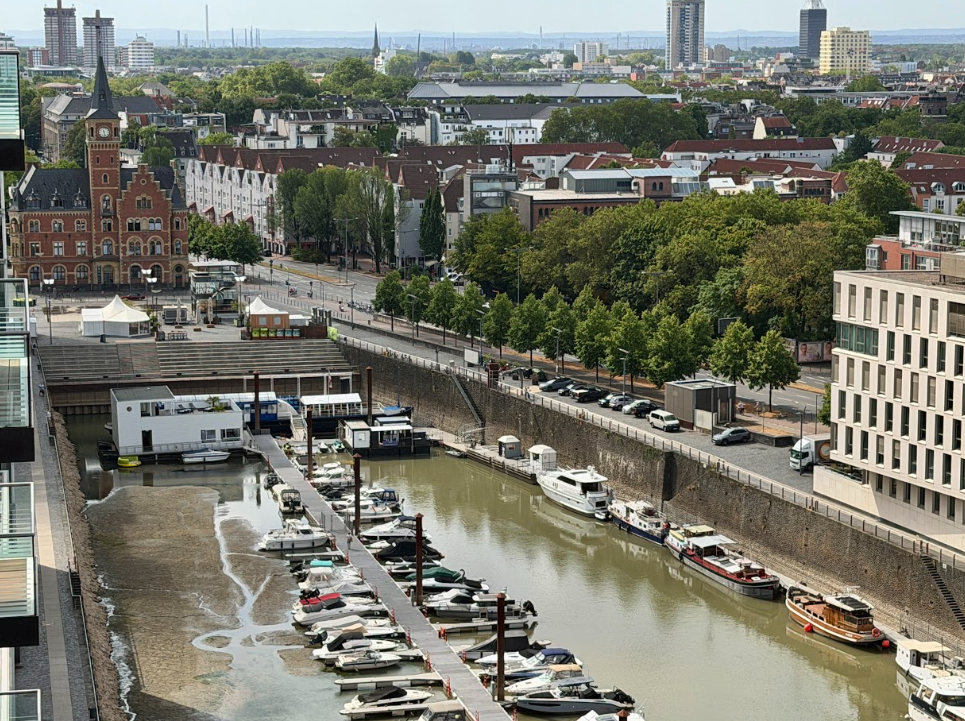
Viking, and even the new, charter-only Transcend river cruise line, are operating year-round on the Rhine. Others are narrowing their annual midwinter shutdown periods.
Those extra weeks of operation in mild winters can help cruise lines pay off those beautiful, expensive ships – while offering guests the benefits of ‘quiet season’ cruising.
They also get the freedom to change, promote – and price! – updated schedules that reflect the new reality of European summer heat.
The new ‘high’ seasons would become the earlier and later weeks that balance fair weather and reasonable expectations for navigable water levels with the full river-cruise experience.
I see a future with 6 seasons in the European river cruising calendar:
That provides the best possible outcome for cruise line revenues and reputations, travel advisors’ clients’ confidence and satisfaction… and traveler experience.
START YOUR TRIP!
Story, images and video by Lynn Elmhirst, cruise/ travel journalist and expert.
All rights reserved. You are welcome to share this material from this page, but it may not be copied, re-published, broadcast, rewritten or redistributed.
by Erika Docor on 08/13/2026
You came to the Caribbean for the beach. So did the wildlife. Throughout the islands, some stretches of sand come with company: two legs or four, from birds to beasts to reptiles.
Some creatures are unexpected, others have earned celebrity status. Some are indigenous to their islands, while others have adapted over centuries to new climes.
Here are some Caribbean beaches where you may have to share your patch of sand – and get a glimpse of a local resident of the wilderness.
The Caribbean has plenty of marine mammals. The Bahamas famously has marine pigs.
The best-known live on Big Major Cay in the Exumas, now nicknamed Pig Beach. With no permanent human residents, the pigs have become its celebrities, frequently swimming into the shallows and sometimes paddling out toward arriving boats.
Exactly how pigs ended up on this uninhabited island remains the stuff of legends rather than settled history. What isn’t in doubt is their international fame: swimming with the pigs has become one of the signature experiences of the Exumas.
Cute pigs swimming in crystal clear waters: who doesn’t want to post that photo? Just remember to follow local guidance about feeding and interacting with them, and give them space.
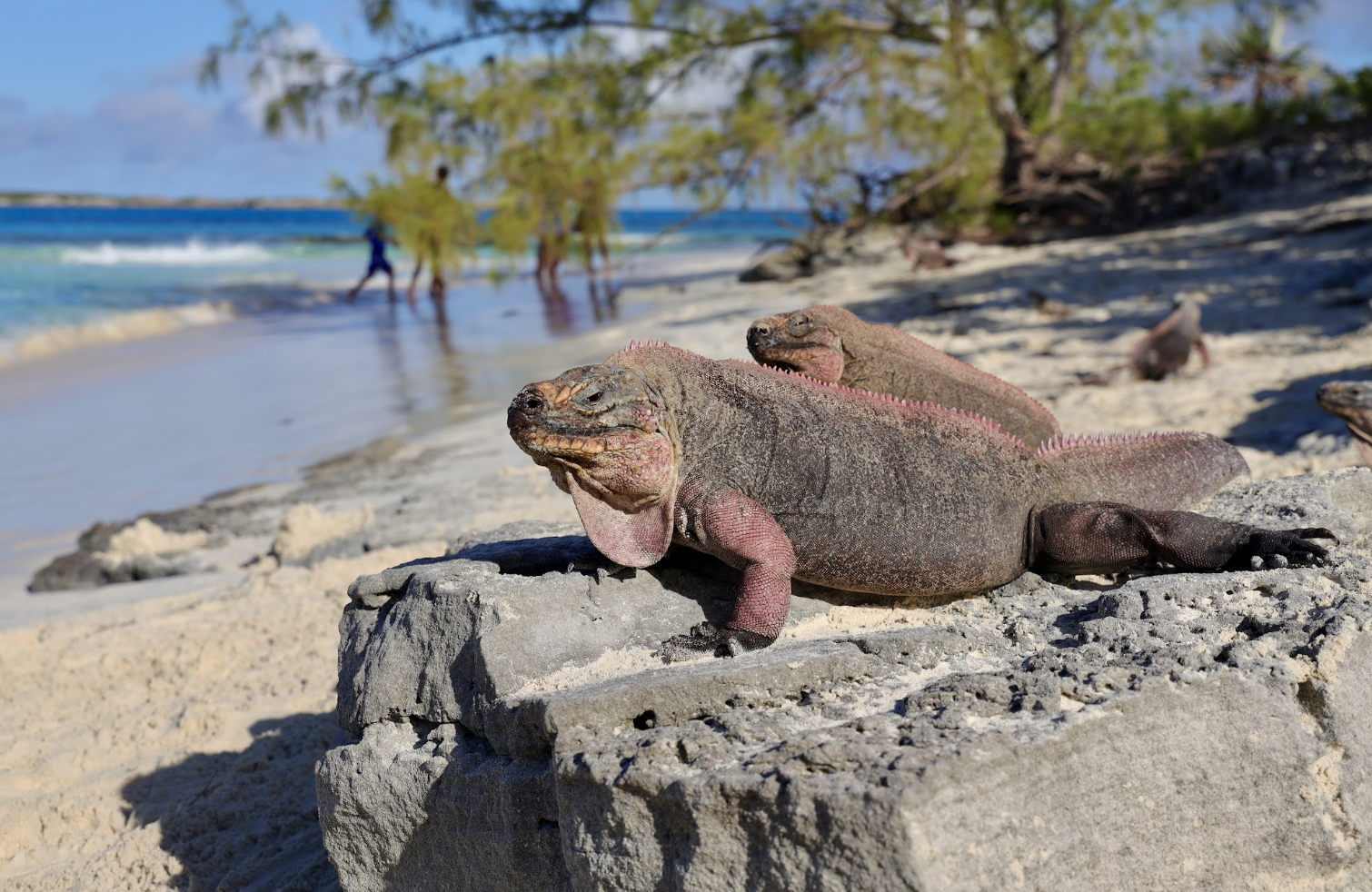
Pigs are the most unlikely mammals occupying Bahamian beaches – but some reptiles lay claim to fame, too. And these are indigenous to The Bahamas.
On several islands and cays in the Exumas, endangered Bahamian rock iguanas emerge from the vegetation and bask on beaches, looking like miniature survivors from the age of dinosaurs.
Reptile lovers will want to head to Allen Cays, whose famous iguanas can grow several feet long. Their habit of congregating near landing sites is partly the result of generations of visitors feeding them, something conservationists now discourage.
Few birds look quite as much like an imaginary creature as a flamingo, and seeing one strolling regally through turquoise shallows only adds to the surreal effect.
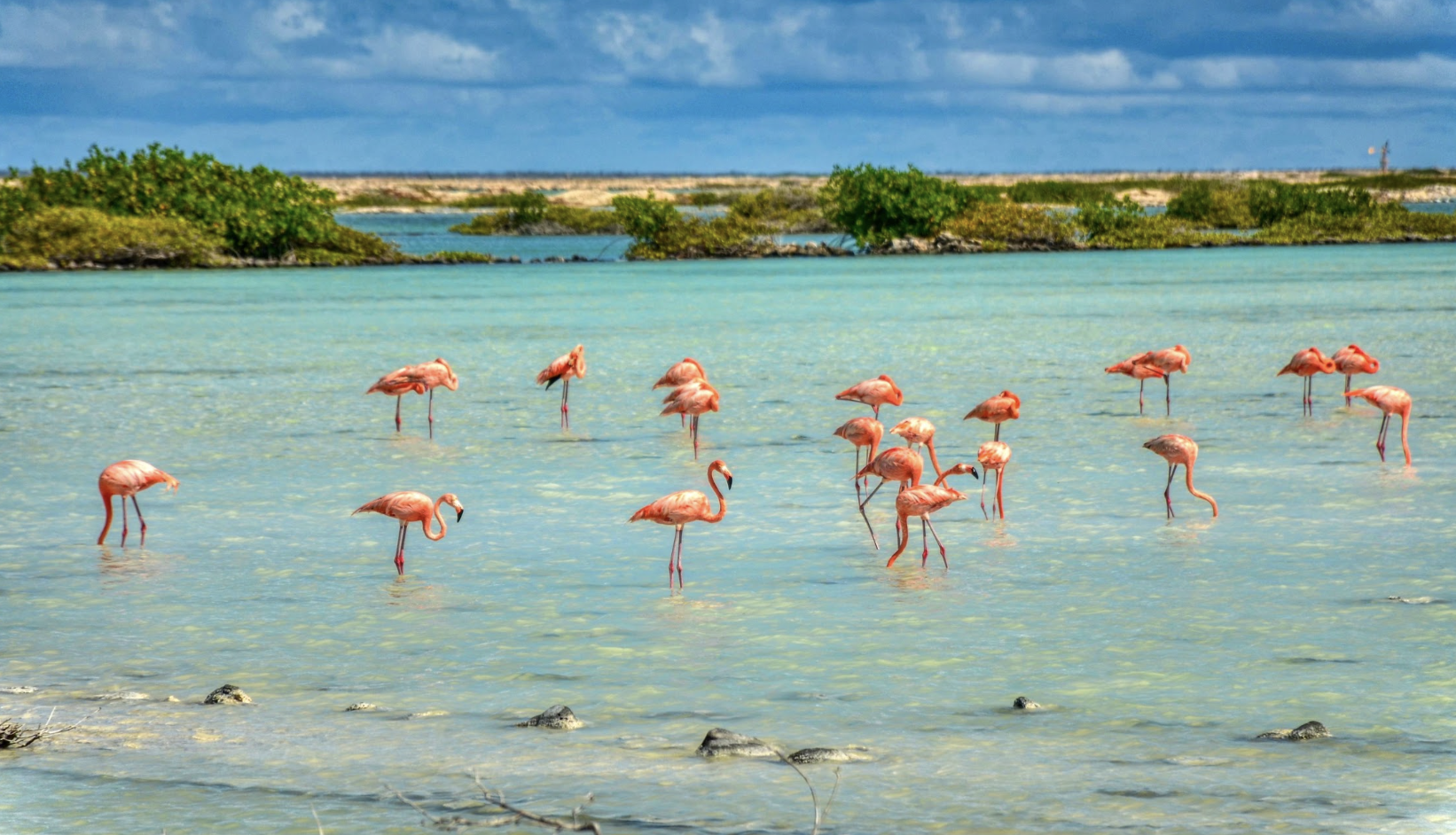
Head to the ‘ABC Islands’ in the southern Caribbean, specifically Bonaire.
The island is one of the most important places in the region for American flamingos, which thrive around its salt pans, lagoons and protected wetlands. Thousands may gather around Pekelmeer Flamingo Sanctuary in the island’s south, creating great streaks of pink against the brilliant white salt and blue Caribbean sky.
The sanctuary itself is protected and off-limits to visitors. But flamingos can often be spotted from surrounding roads and viewpoints, allowing travelers to see them behaving naturally without interfering with these wild creatures.
The renowned green vervet monkeys of St. Kitts have an unusual Caribbean backstory. Their ancestors were brought from West Africa centuries ago, and today their descendants are well established throughout St. Kitts and its sister island, Nevis.

You may encounter them not just around beaches, but even along roadsides and wherever there’s vegetation. They’re charismatic, clever — and wild.
That’s an important distinction. Experts advise avoiding operators offering staged photographs with captive monkeys, feeding or handling them. Keep your eyes open, and the chances are you’ll see one or more in the wild and have that story to take home.
Or how one cheeky monkey stole your ball off the Four Seasons Resort Nevis resort golf course, which a friend of mine never gets tired of telling (whether it’s true or not!)
On the Puerto Rican island of Vieques, thousands of free-roaming horses appear along roads, in fields, around communities — and sometimes beside the Caribbean itself. Descended from horses brought from Spain in the 16th century, they have become an unofficial symbol of Vieques.
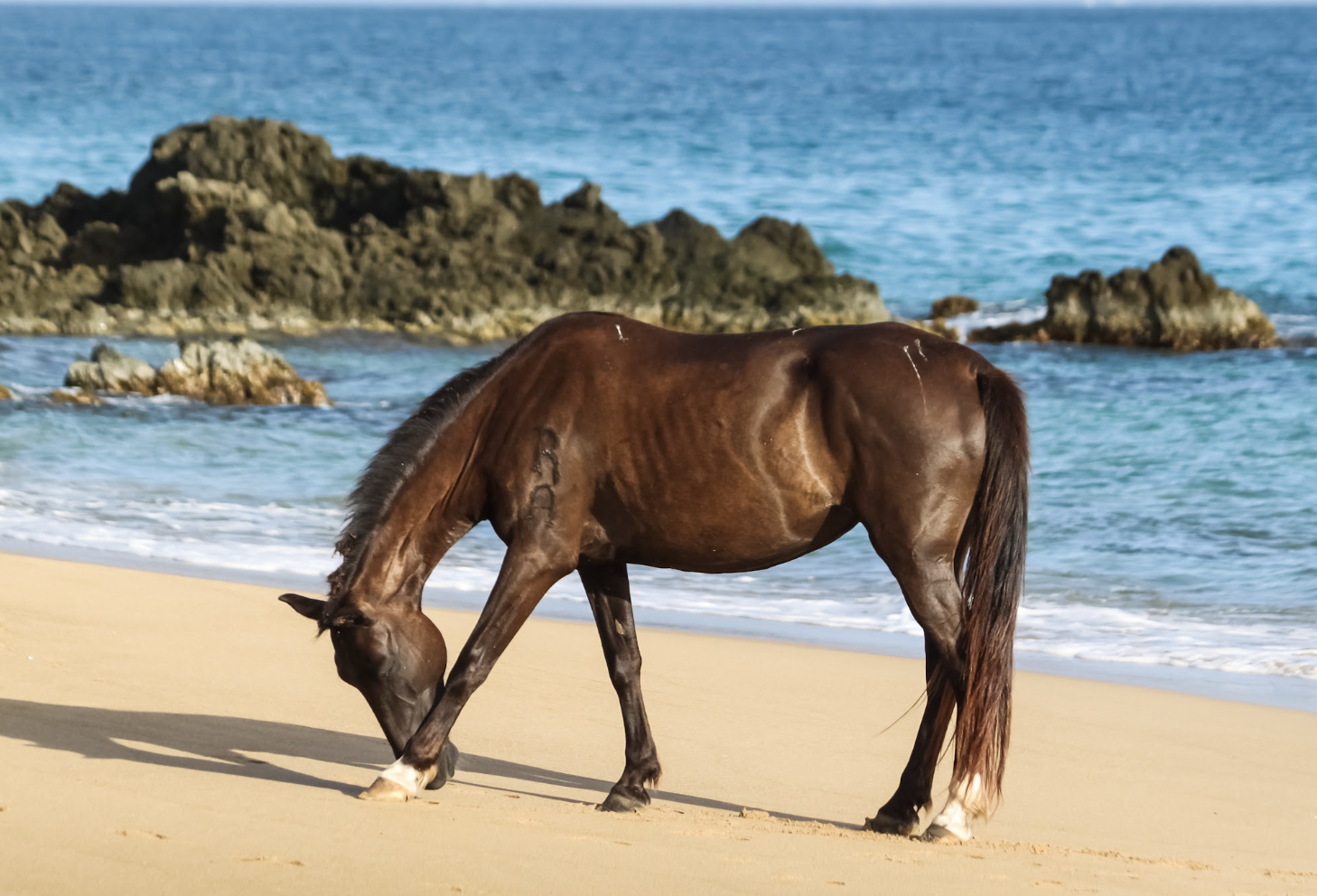
Seeing horses wandering through a tropical landscape is striking enough. Spotting them with palm trees, sand and sea in the background makes Vieques feel like nowhere else in the Caribbean.
They may look domesticated, and some are owned but allowed to roam freely. Regardless, visitors should treat them as wild animals and avoid approaching, feeding, or attempting to touch them.
The Caribbean’s beaches are our vacation playgrounds. They’re also nesting grounds, feeding grounds, habitats and, quite simply, home to many types of wildlife that can enlighten and inspire us on our island escapes.
Images: Getty
All rights reserved. You are welcome to share this material from this page, but it may not be copied, re-published, broadcast, rewritten or redistributed.
by Erika Docor on 08/13/2026
82 years after what Winston Churchill called “the most complicated and difficult” military operation in world history, Normandy’s D-Day Landing Beaches finally achieved long overdue recognition of their place in the world as we know it today – plus the protection needed to ensure their lessons live on for future generations.
LEARN MORE IN THE VIDEO ABOVE: Normandy Landing Beaches Designated UNESCO World Heritage Site after 82 years.
The surprise landing of over 150,000 Allied soldiers – from the UK, USA, Canada, France and more - on the shores of France in 1944 somehow overcame dreadful odds, weather, miscalculations, intense Nazi fortifications and thousands dead to create a foothold to begin to retake Europe back after 5 long years of war and occupation.
The sheer scope and audacity of the Landings, as well as the extraordinary feats of human spirit and international cooperation, make a visit to the Landing Beaches an essential trip for us all to this day.
Walking on the hallowed beaches in the footsteps of Allied soldiers is extraordinarily illuminating and moving.
From a cruise lover’s perspective, you have a number of cruising options to make your own pilgrimage to this sacred ground for Americans, Canadians, and British people.
The Seine flows north from the Paris area, emptying into the English Channel.
River cruises begin and end in Paris. That round trip from Paris is doubly convenient: you can fly into and out of the same city, plus you can, of course, bookend your river cruise with a pre- or post-cruise extension in Paris or its surrounding regions.
At the northern end of the cruise itinerary at the coast, all the major river cruise lines offer shore excursions to the Normandy Landing Beaches, including:
• Scenic
• Viking
• AmaWaterways
• Avalon Waterways
• Uniworld Boutique River Cruises
• Tauck: in addition to other Seine itineraries, Tauck offers a family-focused Seine river cruise; perfect for a memory-filled multi-generational trip to the historic beaches.
Check the details of the shore excursion to the Landing Beaches to make sure you will see the places of most meaning to you. There are 5 Landing Beaches:
• 2 American (Omaha and Utah),
• 1 British / Commonwealth (Gold),
• 1 British and French (Sword), and
• 1 Canadian (Juno)
as well as monuments, cemeteries and landmarks meaningful to WW2 and families of Allied veterans. No single excursion can encompass every sight.
River cruises aren’t the only way by water to see Normandy. The D-Day landings, of course, happened from the sea, and visitors in these peaceful times can also arrive in Normandy on ocean cruises.
The usual ocean port of call for Normandy is Le Havre, France. And while some cruise lines offer shore excursions from Le Havre all the way to Paris, that is a) a long way to go, and much too little time in Paris to do the City of Light justice, and b) you miss Normandy and the D-Day beaches.
I recommend taking the ship’s D-Day beaches shore excursion instead, while you are right there in Normandy, so you don’t regret missing walking in the very footsteps of one of the most impactful and heroic moments of our collective history. You can always take a post-cruise extension to Paris afterward.
START YOUR D-DAY COMMEMORATIVE TRIP!
By: Lynn Elmhirst, Cruise/ Travel Journalist and Expert
All rights reserved. You are welcome to share this material from this page, but it may not be copied, re-published, broadcast, rewritten, or redistributed
by Erika Docor on 08/13/2026
Record-breaking summer heatwaves throughout Europe have more travelers looking for cooler destinations to spend the holidays. I have some favorites.
By: Lynn Elmhirst, travel journalist and expert
Some like it hot! And since Coco Chanel made it stylish to spend even scorching summers on the French Riviera, heat-loving travelers have flocked to the Mediterranean during the season. Those who couldn’t brave Mediterranean heat? Well, they stayed in more central areas of Europe in the summers.
That’s been the pattern for decades – but it is changing fast.
An early summer heatwave in 2026 shattered records across parts of Europe, making many top summer travel hotspots: London, Paris, Amsterdam - even Vienna and alpine Switzerland - feel like the high summer in the Med.
Mediterranean destinations are designed for the heat, with thick walls, shutters and even afternoon siesta habits – helping residents and visitors stay comfortable. In places north of the Med, it’s a much different story.
That makes one of the ‘hottest’ trends in travel today: the ‘coolcation.’ And there are my favorite places to travel in the summer - without breaking a sweat!
Pro Tip: consider cruising. Not only are these destinations best explored by coastal cruising, but it’s also always a bit cooler over water, and there’s always a breeze at sea!
Even more southern parts of Scandinavia and their capitals, like Copenhagen, are feeling the heat. To truly escape the climate, go even farther north. A coastal cruise up the fjords of Norway is one of the iconic, bucket list cruises with some of the most inspiring scenery and charming Scandinavian villages. Some cruises will take you far enough north to actually be Arctic – where you have the chance of even spotting polar bears!
(Top photo: Viking Cruises ship in Geiranger Fjord, Norway, courtesy of Viking)
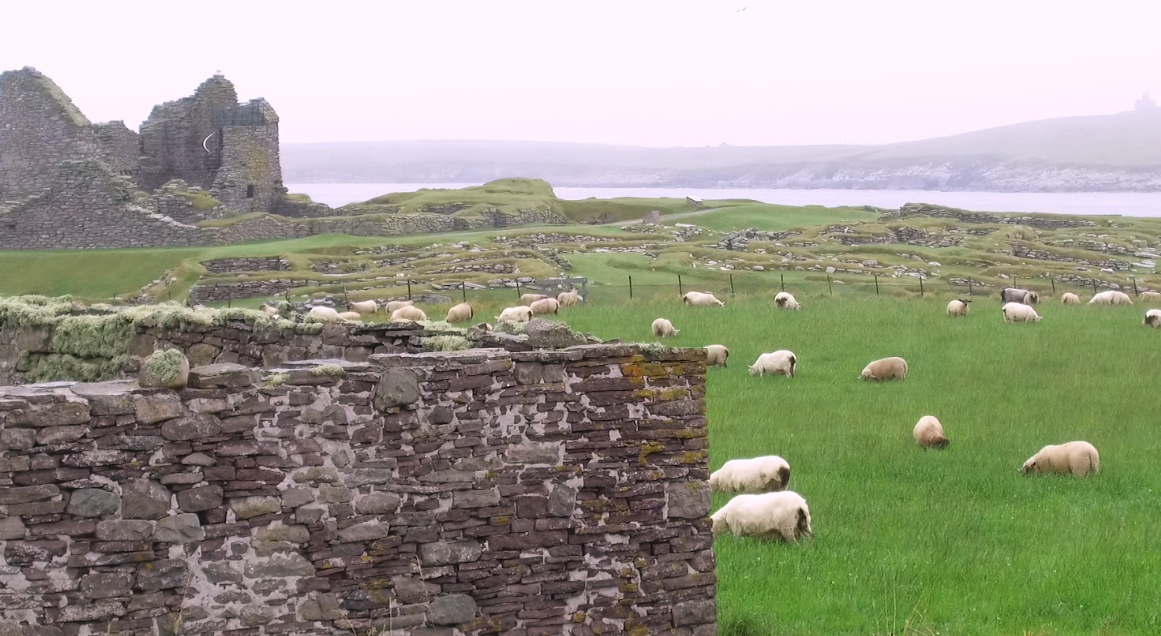
Channel your inner Highlander along the windswept, rocky shores of Scotland’s Shetland Isles or any of its other islands. Discover ancient stone structures, cozy inns, shops and pubs, and unforgettable puffin encounters. Not to mention the isles’ trifecta of farm animals: rugged sheep, adorable Highland cows and coiffure-challenged Shetland ponies! I think the purchase of a piece of tartan or a Highland wool scarf may be mandatory!
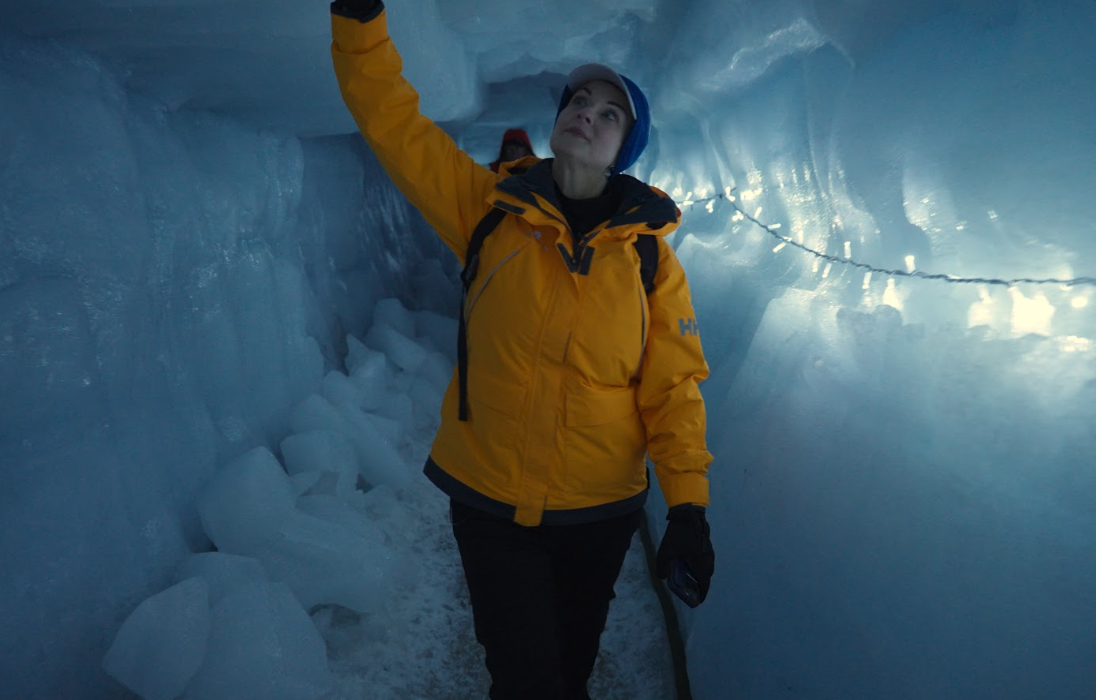
The ‘land of fire and ice’ does not disappoint, from geysers and glaciers and volcanoes and one-of-a-kind wild scenery, to Icelandic ponies and quirky local food like sheep hotdogs and fermented shark. You’ll want to tour the ‘Golden Circle’ of scenic points outside of Reykjavik and catch a performance in the capital’s stunning harborfront music hall, covered in reflective ‘scales’ that mirror the water.
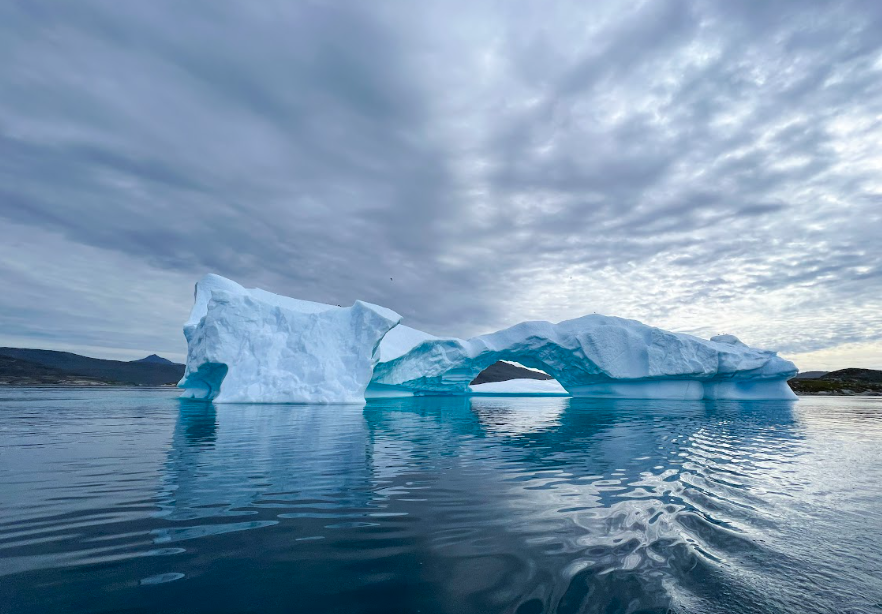
The sleeping giant of Arctic travel destinations. Greenland is a giant icecap, with edges of the coast inhabited by small communities and some of the most spectacular polar scenery: towering cliffs and fjords, glaciers and icebergs. Capital city Nuuk now has an airport and public art installations throughout its charming, part-Arctic, part-Scandinavian streetscape by the sea.
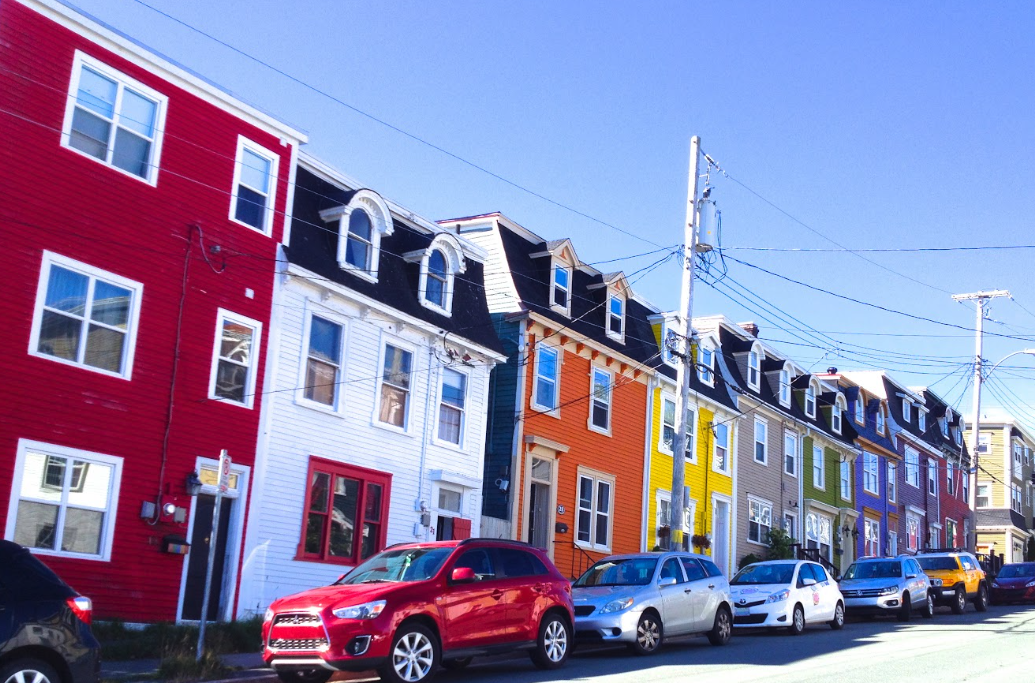
Newfoundland is more than the vast scenery of Gros Morne National Park, or the archeological remains of Viking settlements that long pre-date Christopher Columbus. It’s a cultural treasure. You haven’t really lived until you’ve been ‘screeched in’ as an honorary Newfoundlander in a pub in St. John’s, with local Irish seafarer-inspired bands playing in the background. You’ll have to kiss a cod fish and down a shot of the local ‘screech’ – rum which is nowadays a lot smoother than its original version! And you’ll never meet a Newfoundlander who can’t sing or tell you a tall tale!
And since we’re talking cruising, I have to point out one of the most accessible coolcation destinations in our own back yard. Cruises to Alaska just keep growing in popularity, and why not? It’s the perfect multi-generational destination, where everyone in the family finds something to love: spotting bald eagles and bears, otters and whales, glaciers and icebergs, and vast forests. And tasting local crab right out of the crab pots.
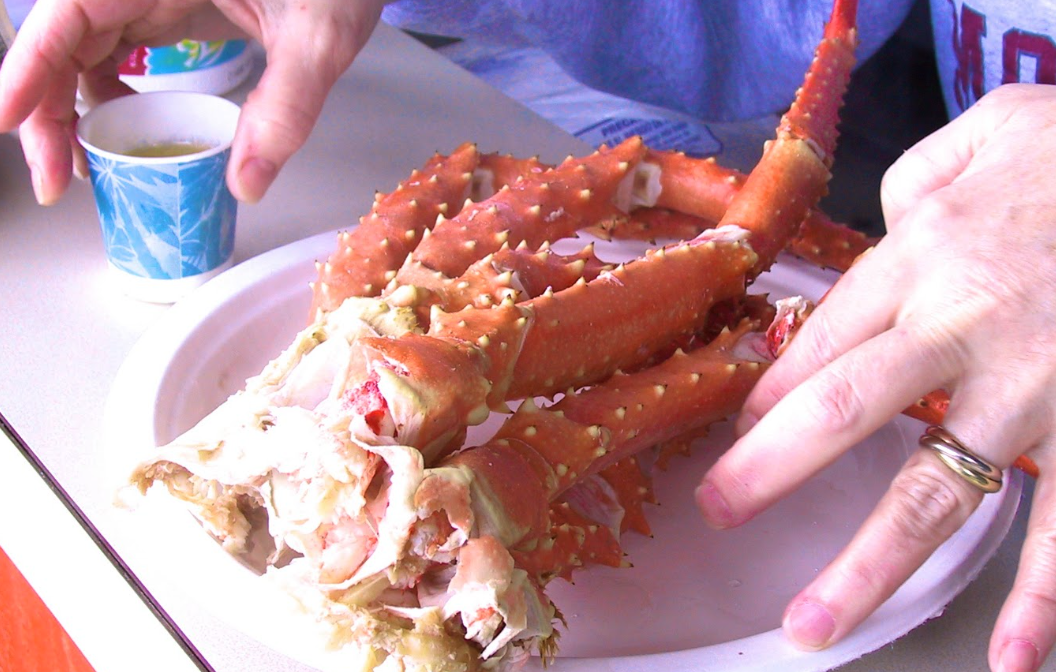
But there’s a catch: Alaska’s getting warmer summers, too. Although Alaskan ‘heatwaves’ aren’t nearly at Mediterranean levels, interior cities especially, like Fairbanks, can hit temperatures even over 95 degrees (35 C)! Especially with the ‘white nights’ where the sun is out 20 or more hours a day, this prevents nighttime cooling relief. Nonetheless, coastal areas remain cooled by sea breezes and Alaska cruises remain an easy way to experience the scenery and communities of America’s Last Frontier.
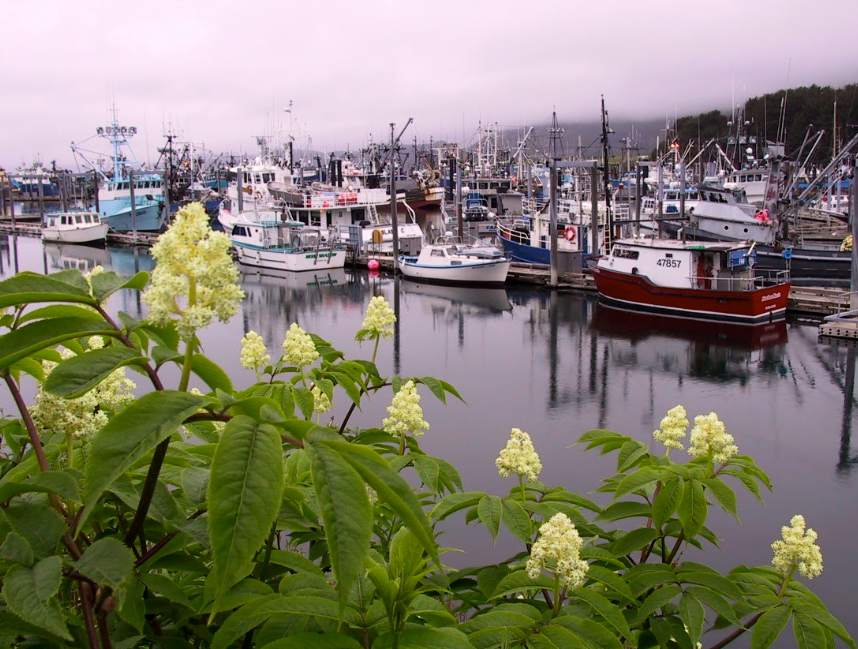
START YOUR (COOL!) TRIP!
Top image courtesy of Viking Cruises
Other Images: Lynn Elmhirst
All rights reserved. You are welcome to share this material from this page, but it may not be copied, re-published, broadcast, rewritten or redistributed.
by Erika Docor on 07/23/2026
For most travelers, summer in Spain means lazy days on Mediterranean beaches, late-night tapas and sangria in sunny plazas. Summer is also Spain’s festival season – with two events famous the world over headlining a heady, heated frenzy of cultural celebrations. And only in Spain would they treat death-defying dares - and a food fight - equally seriously!
Every July 6, the northern city of Pamplona erupts with the 9-day San Fermín Festival. Literary lovers will recall that Ernest Hemingway made the Running of the Bulls world-famous in The Sun Also Rises. But the morning encierro is only one event in a much larger festival filled with parades, music, dancing, giant puppets, fireworks and Basque traditions.
Each morning at 8 a.m., hundreds of runners dressed in white with red scarves sprint just under half a mile alongside six bulls through the city's narrow streets toward the bullring. The run lasts only two to four minutes—but has become one of the world's most recognizable festival traditions.
Many visitors wisely choose to watch from balconies or behind protective barriers rather than participate.
Should Tourists Run—or Watch?
The encierro is not a recreational race or an organized tourist activity – and not for the faint of heart! Are you physically fit, completely sober and fully aware of the risks? Even if you answer ‘yes’ to all those questions, watching is still strongly advised. Even though it’s forbidden to touch or provoke the bulls, participants can be trampled, gored or caught in dangerous crowd pileups, and injuries occur every year.
Just seven weeks later, when the tomatoes are at their ripest, the time is ripe for another small Spanish town to dominate global travel and social media headlines. But not for its cuisine.
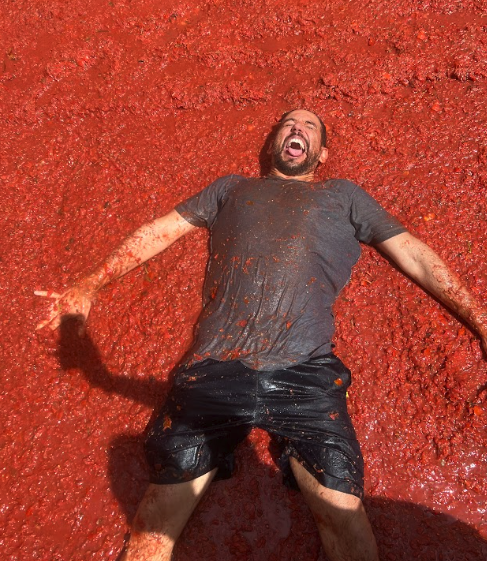
On the last Wednesday of August, Buñol, near Valencia, hosts La Tomatina, the world's largest food fight. Thousands of participants - wearing old clothes and, in a sensible twist in recent years, swimming goggles - gather as truckloads of overripe tomatoes are delivered to the town square.
And just like that, over a quarter of a million pounds of tomatoes become ammunition. Like the messiest snowball fight you can imagine, everyone in the square is fair game.
As iconic as La Tomatina is, the tradition dates only to 1945, reportedly after an argument escalated into a spontaneous tomato fight using produce from a nearby market stall.
Today it's a carefully organized event with attendance capped by advance ticket sales. And it’s a bit more vegetarian-friendly than the Running of the Bulls!
Wind up your throwing arm… or watch?
Unlike the dangers of the Running of the Bulls, La Tomatina is tame by comparison! And visitors account for a large share of the crowd prepared to risk tomato stains on your clothing to say you’ve participated in the food fight to end all food fights.
In fact, even if you’re hoping to only watch, if you’re in the neighborhood, you’re still likely to end up part of the mess!
Summer in Spain has no shortage of sunshine and beaches. But if you want to have stories you’ll be telling long after your tan fades, it's hard to beat a country where you can dodge bulls and vegetables in organized festivals every summer.
START YOUR TRIP!
Images: Getty
All rights reserved. You are welcome to share this material from this page, but it may not be copied, re-published, broadcast, rewritten or redistributed.
by Erika Docor on 07/23/2026
Mount Etna's July 2026 eruption sent lava and ash plumes into the Sicilian sky, creating spectacular images—and temporary travel disruptions. Volcanic ash interrupted flights at the local Catania Airport. Luckily, hotels, restaurants, archaeological sites, beaches, and coastal towns across eastern Sicily continued operating normally for those whose outbound flights were delayed.
But the eruption reminds us that even historic and cultural Europe has a geological wild side. Etna is just the tallest and most active - but not the only! - volcano on the continent, a living mountain that has been erupting for thousands of years. An unpredictable, dramatic, ancient wonder connecting us to the earliest people who believed it a force of the gods. It’s one of Italy's most fascinating natural attractions.
When Etna isn't putting on a fiery show, visitors can experience Italy's famous live volcano surprisingly close up. A cable car climbs the mountain before specially designed 4x4 vehicles and certified guides continue toward the summit craters, where visitors walk across ancient lava flows, peer into steaming fumaroles, and witness how successive eruptions have reshaped the landscape. Hiking trails wind through forests and volcanic deserts, while winter often brings the unusual opportunity to ski on Etna's slopes overlooking the Mediterranean.
The volcano's influence extends far beyond dramatic scenery. Layers of volcanic ash have created extraordinarily fertile soils that produce some of Sicily's finest wines, as well as pistachios, citrus, olives, almonds, and hazelnuts. Touring wineries on Etna's slopes has become as much a part of the visitor experience as exploring the volcano itself.
Elsewhere in Europe and around the world, active and dormant volcanoes have become some of their countries' most compelling attractions for visitors drawn to the primal appeal of the planet's power.
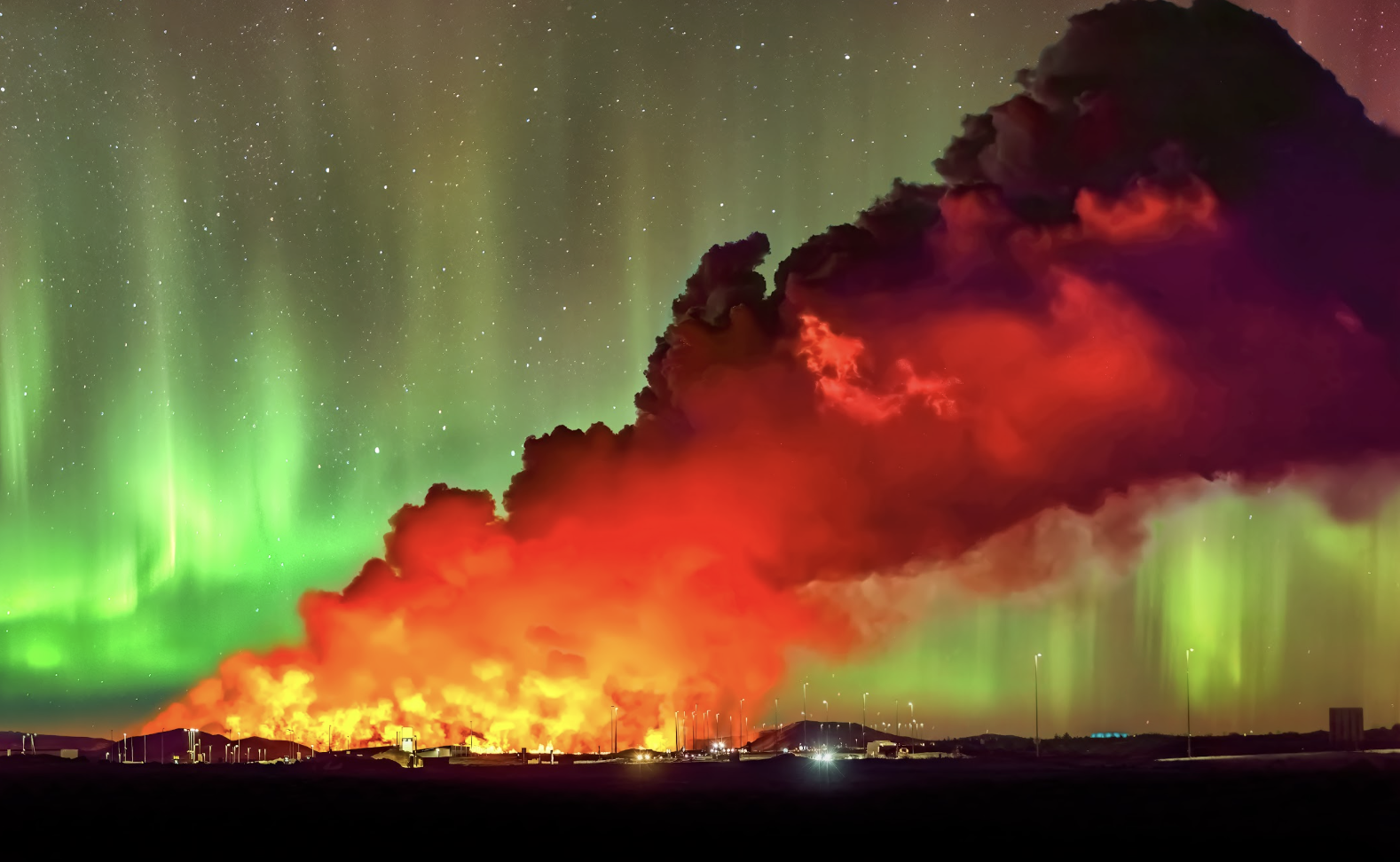
Few countries embrace living geology quite like Iceland. Sitting astride the Mid-Atlantic Ridge, the island is continually being reshaped by volcanic activity. Even when eruptions aren't underway, visitors can hike across fresh lava fields, explore volcanic craters, descend into dormant magma chambers, and soak in geothermal lagoons heated by underground volcanic forces. Volcanoes are not simply attractions here—they are woven into everyday Icelandic life and central to the country's tourism appeal—just like geysers, waterfalls, glaciers, and the Northern Lights.
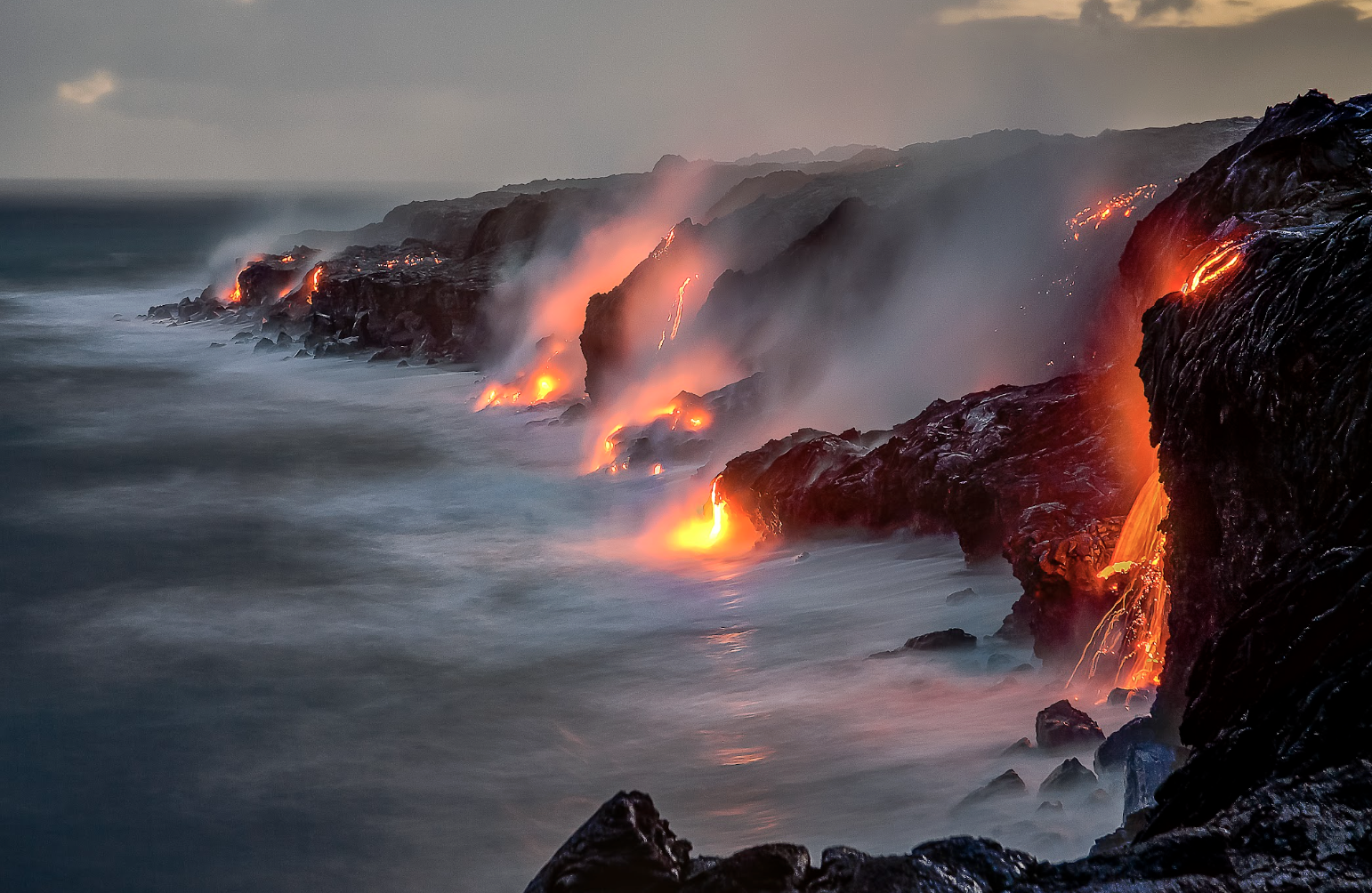
On Hawaii's Big Island, Kīlauea is one of the world's most closely monitored active volcanoes. Within Hawaii Volcanoes National Park, visitors drive the Crater Rim, walk across hardened lava fields, peer into volcanic craters, and learn how eruptions continue to build the island itself. Depending on conditions, visitors may even glimpse glowing lava after dark from designated viewing areas. The park also highlights the deep cultural significance of volcanoes in Indigenous Hawaiian traditions.
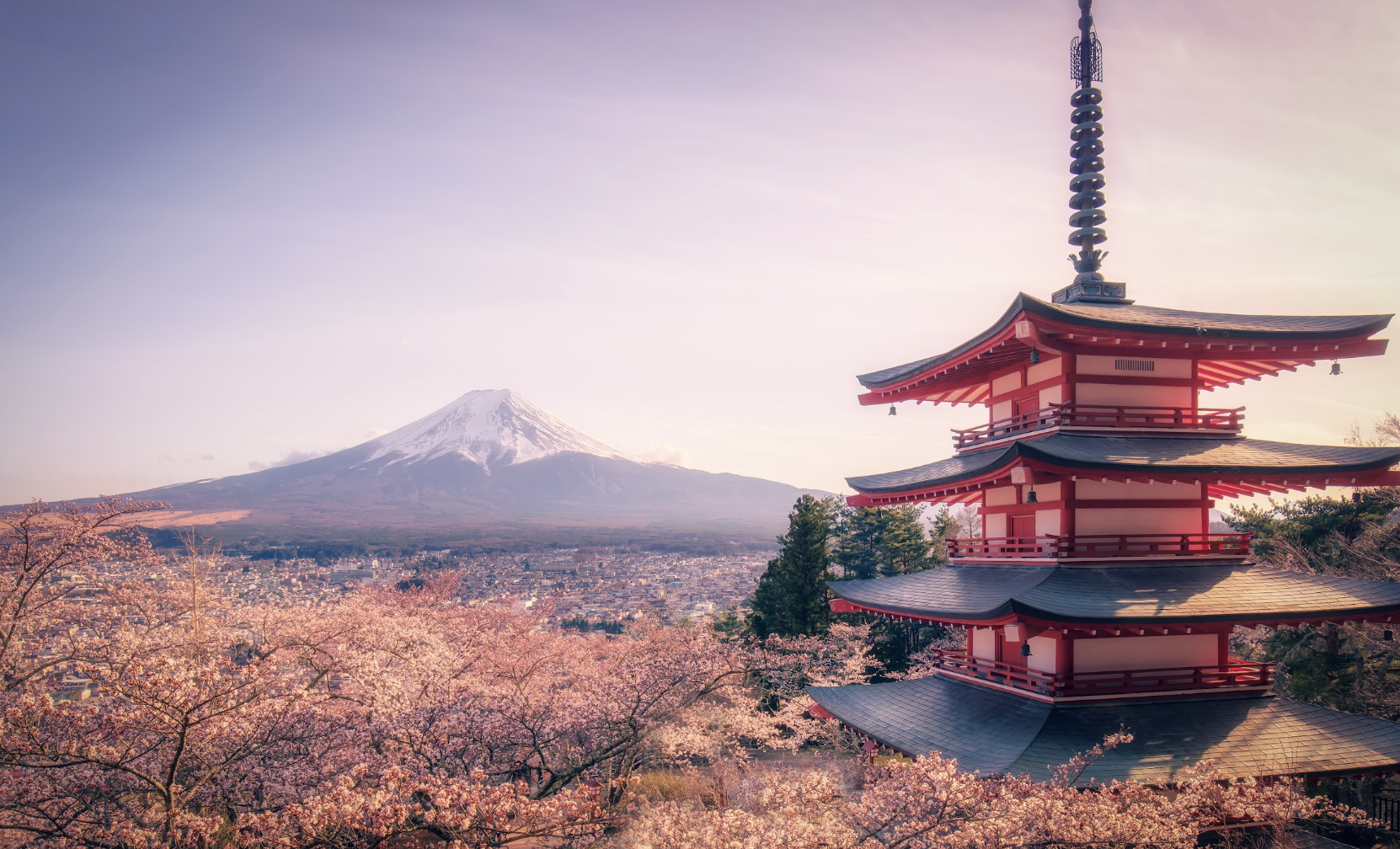
Japan offers two distinct volcanic experiences. Snow-capped Mount Fuji, the country's highest peak, is an enduring national symbol and a UNESCO World Heritage Site. Thousands of hikers climb its slopes each summer, while countless others admire its near-perfect cone from surrounding lakes, hot spring resorts, high-speed trains, and even Tokyo on a clear day.
On the southern island of Kyushu, however, Mount Aso reveals Japan's volcanic power in action. Home to one of the world's largest volcanic calderas, Aso offers hiking, scenic drives, horseback riding, and, when conditions permit, access to the active crater itself. Together, Fuji and Aso showcase both the beauty and the restless geology that define much of Japan.
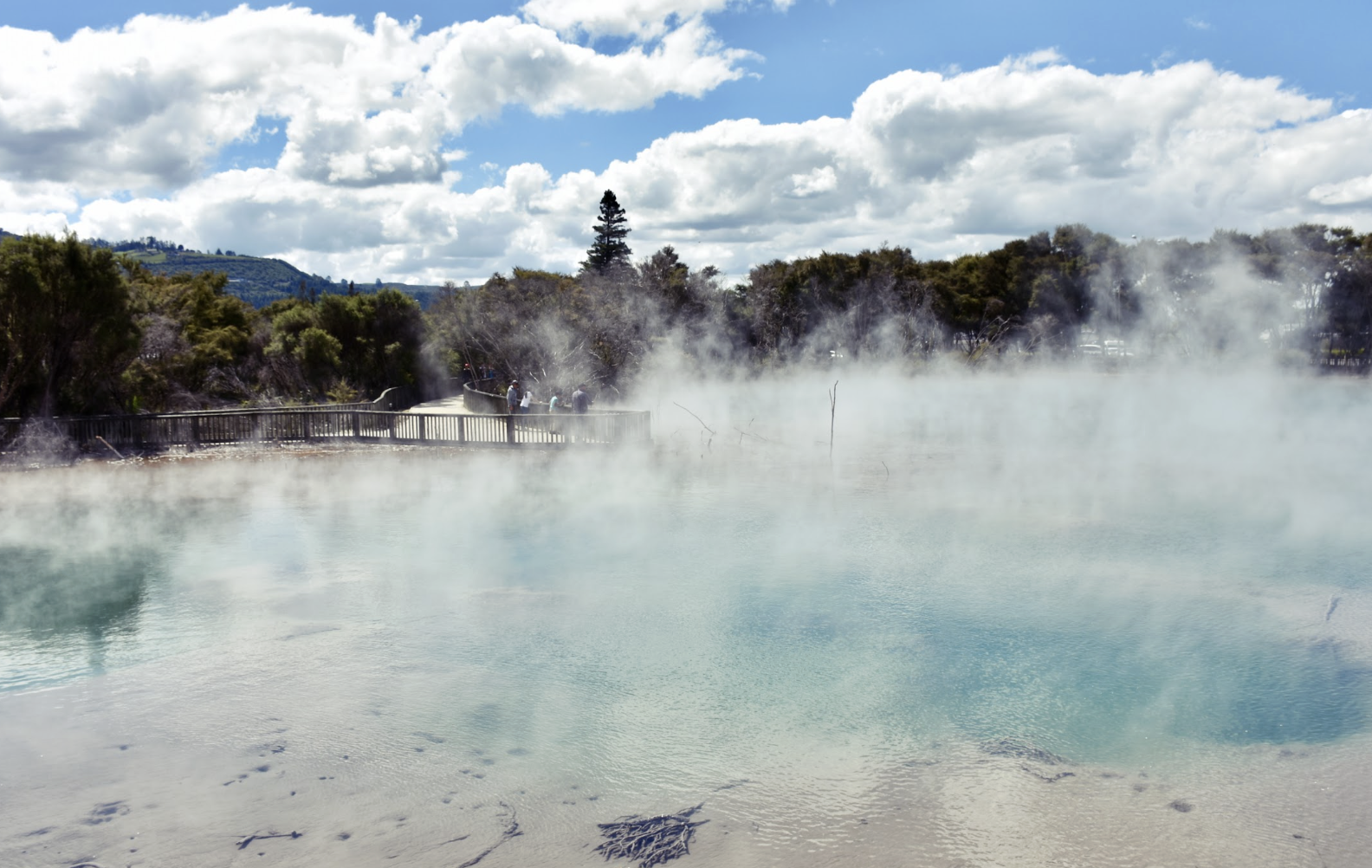
New Zealand's North Island is shaped by volcanic forces both above and below ground. Around Rotorua, geothermal parks bubble with mud pools, steaming vents, colorful mineral terraces, and powerful geysers. Further south, Tongariro National Park offers one of the world's great day hikes across volcanic terrain, passing emerald crater lakes, lava fields, and alpine landscapes that famously portrayed Mordor in The Lord of the Rings films. It's a destination where volcanic landscapes are experienced on foot as much as admired from afar.
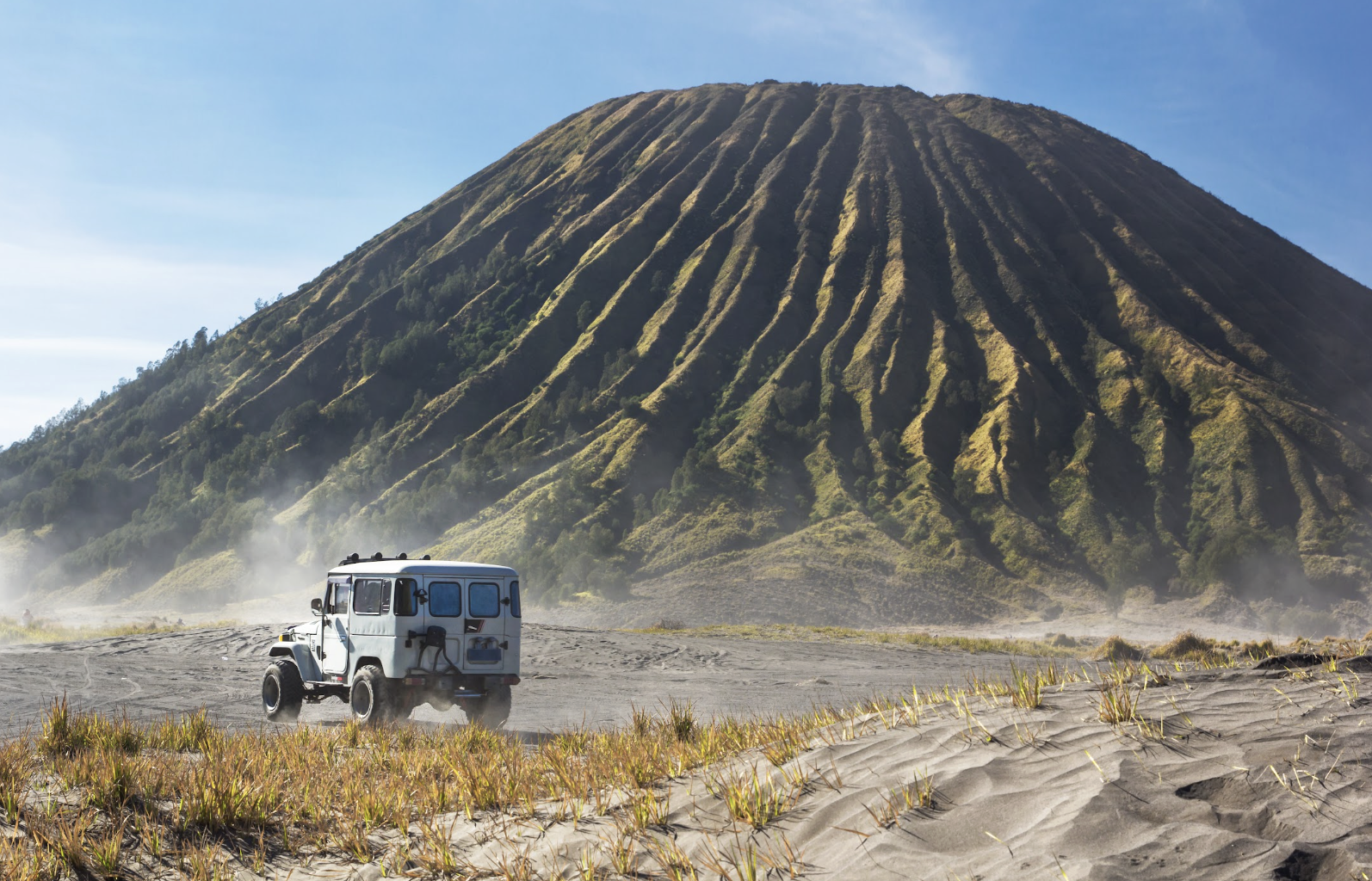
Indonesia, home to more active volcanoes than any other country, sits along the Pacific ‘Ring of Fire.’ One of its most accessible volcanic experiences is Mount Bromo in East Java. Before dawn, travelers gather at panoramic viewpoints to watch the rising sun illuminate a landscape of smoking craters, ash plains, and surrounding peaks. Later, visitors cross the Sea of Sand on foot or horseback before climbing to the crater rim.
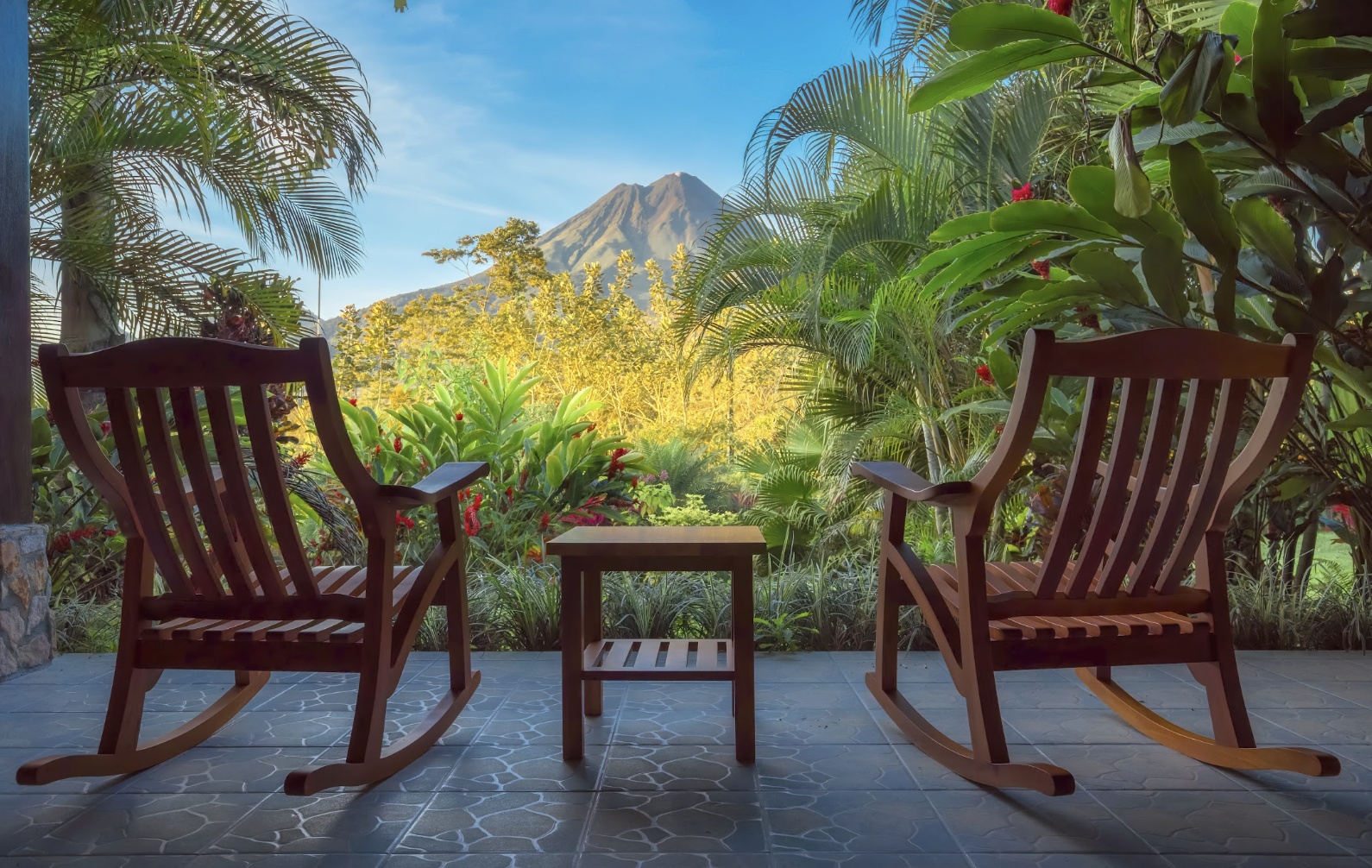
Costa Rica's volcanic backbone has helped create both its extraordinary biodiversity and its reputation as one of the world's leading adventure destinations. Arenal's perfectly symmetrical cone became famous during decades of near-continuous eruptions before entering a quieter phase, but it remains one of the country's iconic sights. Visitors hike lava trails, zipline through rainforest canopies, spot monkeys and tropical birds, and unwind in naturally heated hot springs.
Elsewhere, Poás Volcano offers one of the world's most accessible active craters, while Rincón de la Vieja combines bubbling mud pots, steaming fumaroles, waterfalls, and forest trails in a single national park. Together, they show how Costa Rica has transformed volcanic landscapes into unforgettable nature experiences.
START YOUR TRIP!
Images: Getty
All rights reserved. You are welcome to share this material from this page, but it may not be copied, re-published, broadcast, rewritten, or redistributed.
by Erika Docor on 07/09/2026
 Shawna Schrank
Sign up for our newsletter to learn about the latest product news and deals. Also receive exclusive offers, contest details and giveaways.